Starting a dental practice is an exciting venture, but the sheer volume of equipment decisions can be overwhelming. After two decades of helping clinicians outfit their offices, I can tell you that the key is not buying the most expensive items, but investing in the right foundational tools that will serve you reliably for years. Let’s break down what you truly need to open your doors and provide excellent patient care.
The clinical core of your practice revolves around the operatory. This is where you will spend 90% of your working hours, so comfort and reliability are non-negotiable. Your first major purchase is the dental chair and delivery system. Look for a chair with a thin backrest for patient comfort and easy access, and a delivery system that suits your working style. You have three main options: over-the-patient (which is efficient but can feel intrusive), side delivery (a good compromise), or rear delivery (best for assistants but requires more space). I strongly recommend a chair with programmable positions and a foot control that manages both the chair and the handpiece functions. This single feature will save you countless movements during a busy day.
Next, you need a reliable source of power for your handpieces. You have two choices: a traditional air-driven system with a compressor or an electric motor system. Air-driven handpieces are lighter and less expensive, but electric micromotors offer superior torque, quieter operation, and more consistent speed control, which is critical for crown preparations and endodontic work. If your budget allows, start with an electric system. You will notice the difference in tactile feedback immediately, and your patients will appreciate the reduced noise. Pair this with a high-volume evacuation (HVE) system and a saliva ejector. Do not skimp on suction; a weak evacuation system will frustrate you and your assistant every single day.
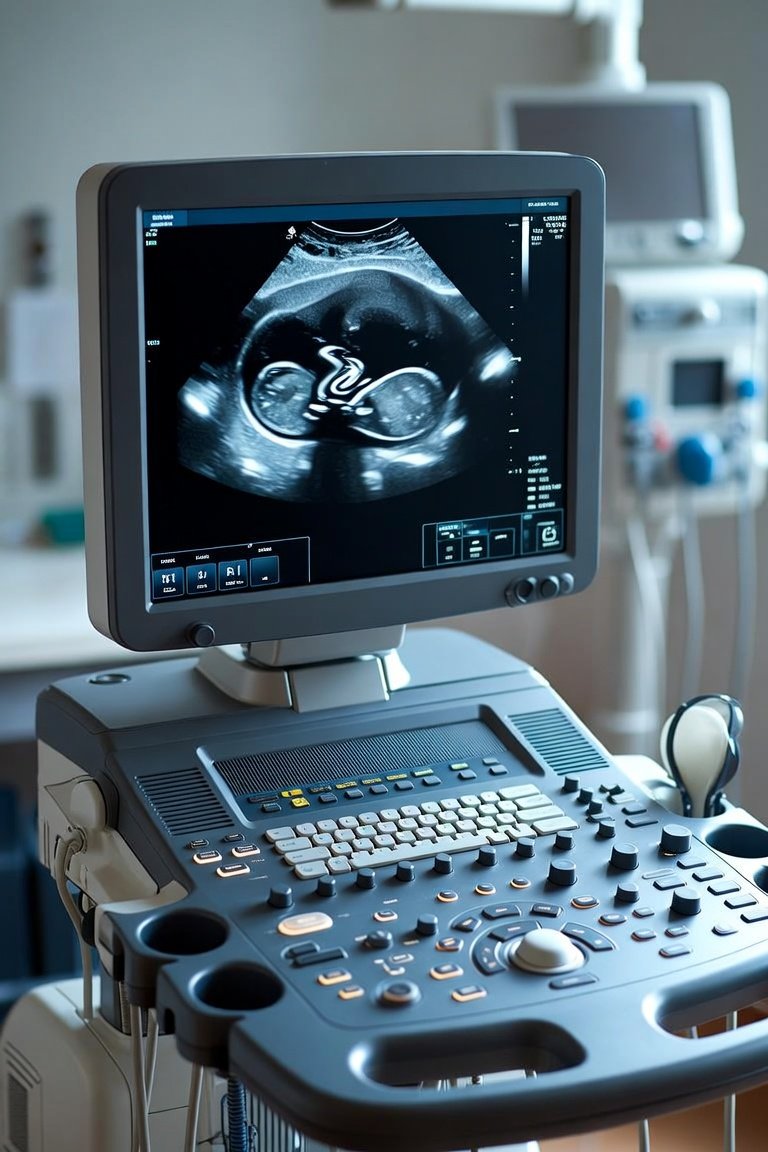
The third critical pillar is diagnostics. A digital intraoral camera is no longer a luxury; it is a patient communication tool that pays for itself. Showing a patient a high-resolution image of a cracked molar instantly builds trust and case acceptance. For radiography, you must choose between phosphor plate systems and digital sensors. Phosphor plates are flexible, comfortable for patients, and lower in initial cost, but they require a separate scanning device and take a few seconds to process. Digital sensors are faster, produce sharper images, and are more durable, but they are rigid, which some patients find uncomfortable, and they cost significantly more. I advise new practices to start with a high-quality digital sensor for endodontics and periapicals, and consider a panoramic machine only if your patient base will justify the investment. A panorex is a space and budget commitment that can wait until your second year.
Beyond the chair and imaging, you need a sterilization center that is efficient and compliant. This is not just a corner with an autoclave; it is a workflow system. You need a three-part station: a dirty sink for decontamination, a preparation area for ultrasonic cleaning and packaging, and a clean area for sterilizing and storage. Your autoclave should be a Class B vacuum type, as it is the only one that reliably sterilizes hollow instruments and handpieces. Do not buy a used or non-vacuum model to save money. Infection control is your legal and ethical foundation.
Finally, consider the supporting cast. A curing light with a high-intensity LED output is essential for composite restorations. An apex locator for root canal work is a must-have; it eliminates the guesswork and reduces radiation exposure. You will also need a basic operatory cart with your composite materials, bonding agents, and restorative instruments. For your front office, you need a patient management software system that integrates with your digital imaging. The hardware can be simple, but the software must be cloud-based for security and remote access.
When you are comparing brands, focus on service and warranty. A chair from a reputable manufacturer with a five-year warranty and a local service technician is worth more than a cheaper import with no support. Ask your local dental supplier for references from other new practices. They know which brands hold up and which ones fail.
In closing, I recommend a phased approach. Purchase the absolute best chair, delivery system, electric motor, and digital sensor you can afford. These are the tools you touch every day. For everything else, like the panoramic machine or a CBCT, wait until your patient volume demands it. Start lean, start reliable, and grow with purpose. Your patients will feel the difference in the quality of your equipment, and your back will thank you in ten years.
Clinic Equipment
Building a Dental Practice: The Essential Equipment Checklist