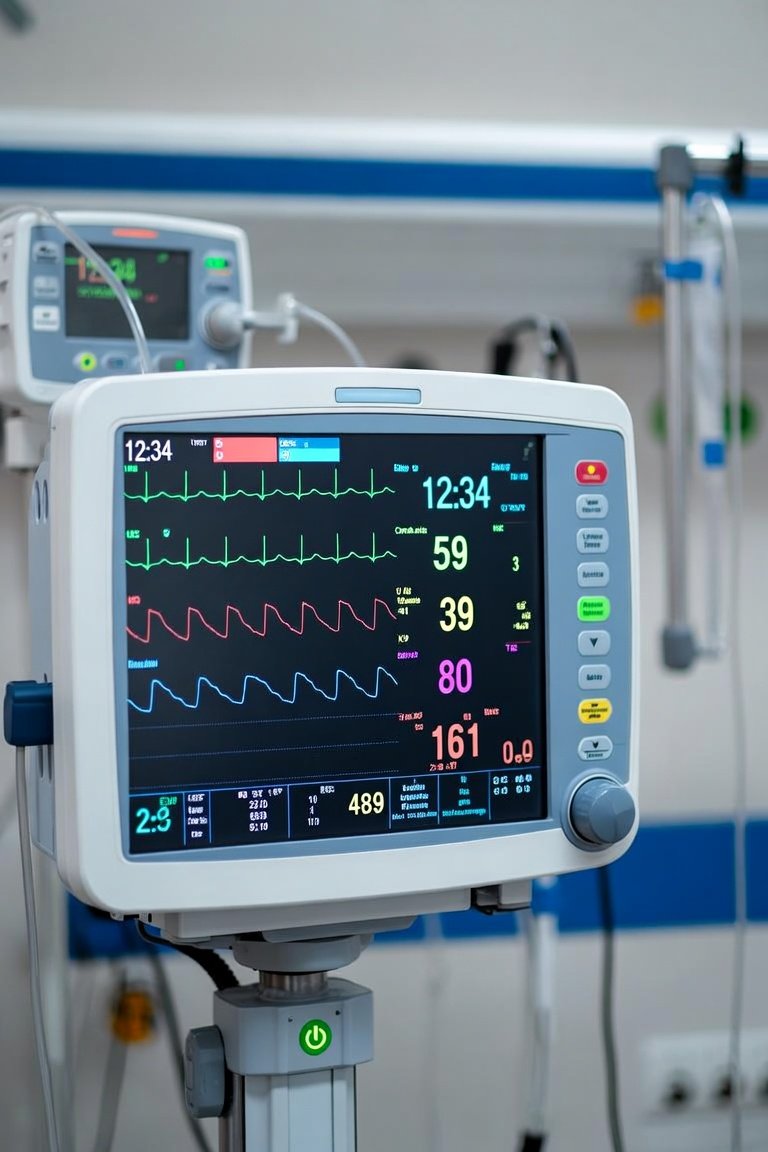
When you are responsible for cardiac care, the defibrillator you choose is not just a piece of equipment; it is a critical decision that directly impacts patient outcomes. After two decades in this field, I have seen technology evolve from massive, wall-mounted units to sophisticated, portable devices that integrate diagnostics and therapy. The best defibrillator for clinical use is not a one-size-fits-all answer. It depends entirely on your environment, from a busy emergency department to a remote clinic or a hospital ward. Let us examine the current landscape and what truly matters in a clinical-grade device.
The first and most critical distinction is between manual and automated external defibrillators, or AEDs. For clinical use, you will almost always need a manual defibrillator. These devices give you full control over energy selection, synchronized cardioversion, and external pacing. The best units today share three core features. 1) Biphasic waveform technology is non-negotiable. It delivers a more effective shock at lower energy levels, reducing myocardial damage and improving first-shock success rates. 2) A high-resolution color display is essential. You need to see a clear, real-time ECG trace, and many modern units now show 12-lead interpretations directly on the screen. 3) Integrated external pacing capability is a must for any clinical setting where bradyarrhythmias may occur. Do not purchase a unit that separates these functions; an integrated system saves precious seconds during a code.
Now, let us compare the leading options you will encounter. The Physio-Control LIFEPAK 15 remains a workhorse in emergency medical services and hospitals. It is rugged, reliable, and its cprMAX technology allows for continuous chest compressions during analysis, which is a significant advantage. The ZOLL X Series is a strong competitor, offering a unique feature in its Rectilinear Biphasic waveform that adjusts to patient impedance. Its wireless networking capabilities are excellent for transmitting data to the hospital from the field. For a hospital setting, the Philips HeartStart Intrepid is a modern marvel. It is lighter than its predecessors, has a very intuitive touchscreen interface, and its HeartStart MRx compatibility with the IntelliVue patient monitoring network makes it ideal for code carts and intensive care units. Do not overlook the Nihon Kohden TEC-7600, which offers exceptional 12-lead diagnostic quality and is particularly strong in electrophysiology labs.
What should you look for beyond the brand name? First, consider your workflow. If your team is large and turnover is high, a device with a simple, intuitive interface and voice prompts can reduce errors. Second, evaluate battery life and charging speed. A battery that lasts for 200 full shocks or 8 hours of continuous monitoring is the minimum standard. Third, look at the defibrillation pads. Pre-connected, one-piece pads that are compatible with both adult and pediatric patients save critical time. Finally, data management is often overlooked. The best devices automatically record all event data, including CPR depth and rate, and can seamlessly upload to your electronic health record. This is not a luxury; it is a requirement for quality improvement and legal documentation.
In closing, my practical advice is this: do not let a sales pitch distract you from your specific clinical needs. If you work in a high-volume trauma center, the ruggedness and battery life of a LIFEPAK 15 might be your priority. If you are in a general ward where nurses cover multiple patients, the intuitive touchscreen of a HeartStart Intrepid could be a lifesaver. Always request a demo unit for a week. Let your own staff use it in a mock code. The best defibrillator is the one your team can operate confidently and efficiently under pressure. Invest in the device that fits your hands, your workflow, and your patients.
Medical Devices
Choosing the Right Defibrillator for Your Clinical Setting