When you run a small clinic, every square foot and every dollar counts. You need a patient monitor that is reliable, easy to use, and doesn’t require a biomedical engineer to set up. Over the past two decades, I’ve seen monitors go from bulky, hospital-only behemoths to sleek, portable devices that fit perfectly in a two-room practice. The key is not buying the most expensive unit, but the one that matches your patient flow and clinical scope. Here is my practical breakdown of the top ten monitors you should consider, based on real-world performance in outpatient settings.
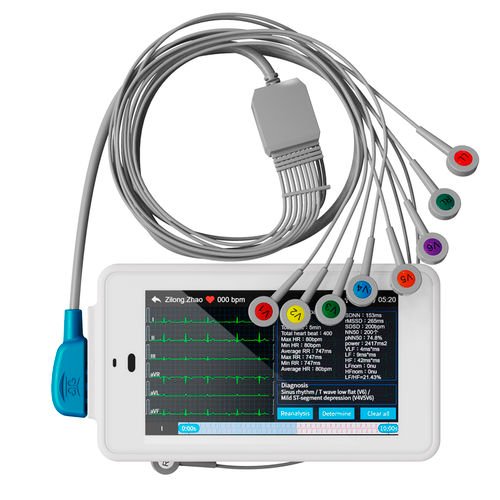
The first thing to understand is that "patient monitor" is a broad term. For a small clinic, you generally want a multiparameter unit that tracks the big four: heart rate, blood pressure, oxygen saturation, and respiration. Some add temperature and even ECG. My top recommendation for most clinics is the Mindray uMEC10. It is compact, has a 10.4-inch screen, and the interface is intuitive enough that your front desk staff can learn it in an hour. For a budget-friendly option, the Contec CMS5100 is a workhorse. It is not fancy, but it is dependable for spot checks in an urgent care or vaccination room. If you do minor procedures, the Philips SureSigns VM4 is worth the extra money because its alarm management is superior; it won't beep falsely every time a patient moves. The GE B40 is another solid choice, particularly if you need a long battery life for transport between rooms. For those who want a touchscreen, the Nihon Kohden Life Scope TR is excellent, though it is a bit heavier. The Spacelabs Ultraview SL is a bit older but still widely available refurbished, and it is built like a tank. For a truly compact option, the Zoncare M3 is a neat little unit with a 12-lead ECG built in, which is rare at this price point. The Biolight Q5 offers a modular design, allowing you to add capnography later if you start doing sedation. The Creative Medical PC-9000 is a classic single-channel monitor that is perfect for a tiny practice. Finally, the Masimo Rad-97, while technically a pulse oximeter platform, gives you hospital-grade oxygen monitoring with optional parameters, making it ideal if you treat respiratory patients.
Now, let’s talk about how to choose between them. The biggest mistake I see is clinics buying a monitor with features they will never use, like invasive pressure monitoring or a cardiac output module. That just drives up the cost and the complexity. Instead, focus on three things. First, look at the screen resolution and size. A 10-inch screen is the sweet spot for a clinic; anything smaller is hard to read from across the room, and anything larger is just bulky. Second, check the battery. You want at least four hours of battery life, not because you will unplug it often, but because power surges in older buildings can cause sudden shutdowns and data loss. Third, examine the alarm system. In a busy clinic, you need alarms that are loud but not annoying. The Philips and GE units have the best algorithms for reducing false alarms, which is critical because if you get "alarm fatigue," you will start ignoring real issues.
What you should look for beyond the brand name is connectivity. In today’s world, your monitor should have USB or Wi-Fi capability to send data to your electronic health records system. Manual charting is a waste of time, and modern monitors make this seamless. Also, consider the cost of consumables. A monitor might be cheap, but if the proprietary blood pressure cuff costs 80 dollars, you will feel it over time. Look for models that use standard, universal cuffs and SpO2 sensors. The Mindray and Zoncare models are excellent in this regard because their accessories are widely available and affordable. Finally, do not overlook the importance of a good warranty and local service. A monitor that takes three weeks to repair is useless. Buy from a distributor that offers a loaner unit while yours is being fixed.
In closing, my honest recommendation for the average small clinic is the Mindray uMEC10 if you have a budget of around 1,500 dollars, or the Contec CMS5100 if you are under 800 dollars. Both will serve you well for years. For a clinic that does minor surgery or sedation, step up to the Philips VM4. Remember, the best monitor is the one that is always on, always accurate, and never gets in the way of patient care. Test a few units side by side in your own environment before committing. Your staff will thank you, and your patients will get better, safer care.
Medical Devices
Choosing the Right Eyes: Top 10 Patient Monitors for Small Clinics