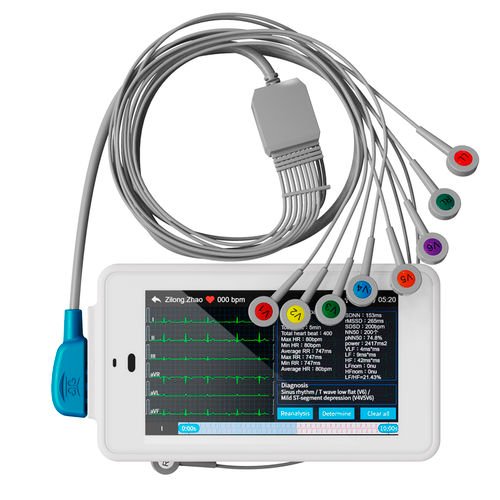
Walk into any operating room or procedure suite today and you will see a fundamental shift that has reshaped clinical practice over the last two decades. The sterile field is now dominated by individually wrapped, single-use items, while the autoclave in the basement runs fewer loads than ever. This transition from reusable to disposable medical equipment is not merely a trend; it is a complex equation of patient safety, operational efficiency, and financial pressure that every facility must solve for itself.
The primary driver behind the disposable revolution is the undeniable reduction in hospital-acquired infections. Cross-contamination from inadequately sterilized reusable devices has been a persistent challenge, particularly with complex instruments like endoscopes and bronchoscopes. Single-use items eliminate that variable entirely. For high-risk procedures, the clinical benefit is clear. However, this safety comes at a steep price, both financially and environmentally. A single laparoscopic trocar that costs three dollars to manufacture might be sold for eighty dollars as a sterile, single-use item. Multiply that by the thousands of procedures performed daily, and the supply chain budget becomes the single largest non-labor expense for most surgical departments.
The comparison between the two categories is not a simple good versus bad narrative. It is a strategic decision based on three key factors: clinical risk, procedure volume, and reprocessing capability.
1. High-Risk, Complex Devices: For items with lumens, hinges, or intricate channels that are difficult to clean, single-use is the standard of care. Think of biopsy forceps, endoscopic retrieval baskets, and electrophysiology catheters. The risk of residual bioburden is simply too high to justify the cost savings of reuse.
2. High-Volume, Low-Risk Instruments: For basic tools like forceps, scissors, and retractors, high-quality reusable stainless steel remains the workhorse. These items are durable, can withstand hundreds of autoclave cycles, and are significantly cheaper per use. The key is a robust sterile processing department (SPD) that follows validated cleaning protocols without exception.
3. The Hybrid Approach: We are now seeing a rise in "reposable" or "hybrid" instruments. These feature a reusable handle and a disposable shaft or tip. This design offers the tactile feel and durability of a reusable instrument while ensuring that the part contacting the patient is fresh and sterile. This is an excellent compromise for powered instruments and specialized graspers.
When deciding what to purchase, you must look beyond the unit price. The true cost of a reusable instrument includes the initial capital outlay, the labor for cleaning and inspection, the cost of sterilization wraps, biological indicators, and the inevitable replacement rate due to damage or dulling. A reusable instrument that costs 400 dollars may seem expensive, but if it lasts for 500 uses, the per-use cost is under one dollar. Conversely, a 50-dollar disposable item used once is always 50 dollars. The math must be done on a per-procedure basis, not on the invoice total.
Another critical factor is the supply chain resilience. The COVID-19 pandemic exposed the fragility of relying solely on single-use items manufactured overseas. Facilities that had maintained a core inventory of reusables were able to continue surgeries when disposable suppliers could not deliver. A balanced inventory is not just a financial hedge; it is a strategic buffer against disruption.
My recommendation is to conduct a line-by-line audit of your current surgical trays. Identify the top ten most expensive disposable items in your highest-volume procedures. Ask your clinical team if a reusable alternative exists that does not compromise patient outcomes. For items with a high infection risk, do not compromise. For basic instrumentation, invest in quality stainless steel and a well-staffed SPD. The future of medical equipment is not about choosing one side; it is about creating a resilient, clinically sound mix that protects your patients and your bottom line.
Medical Devices
The Single-Use Shift: Balancing Cost, Safety, and Sustainability in Modern Healthcare