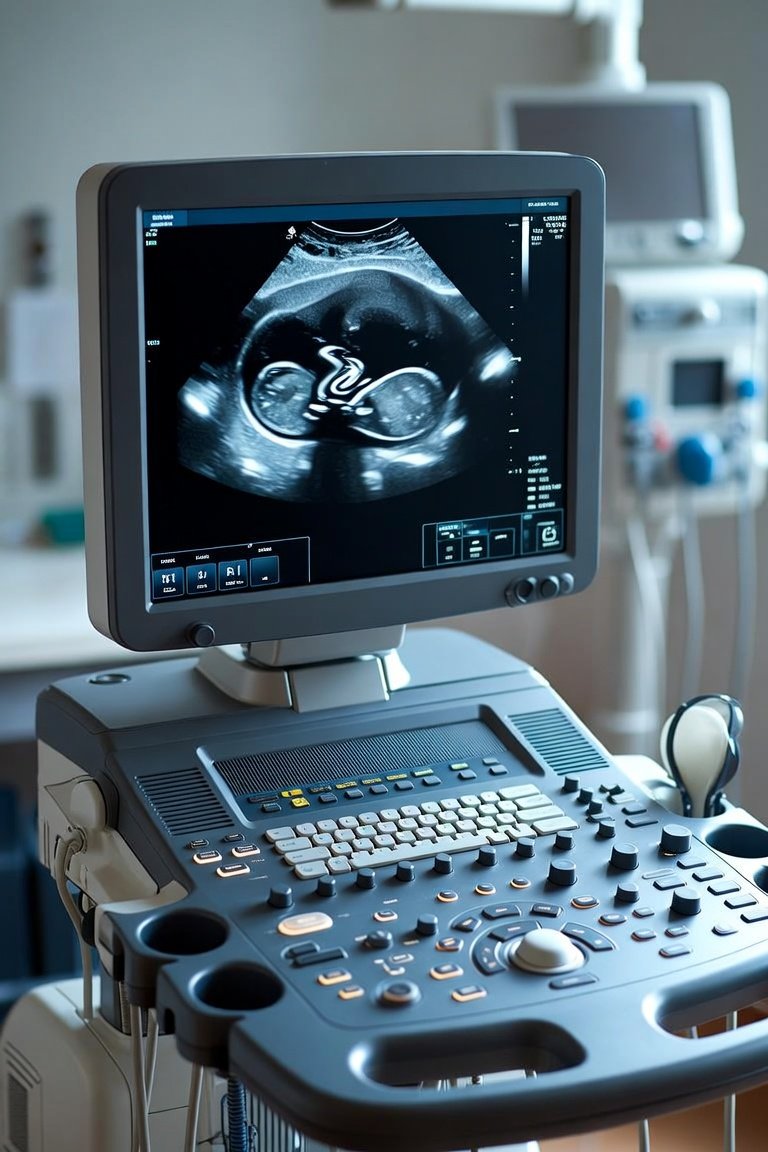
Selecting an ultrasound machine is one of the most consequential equipment decisions a clinic can make. After two decades in medical technology, I have seen practices waste thousands on systems that were either overkill or inadequate. The right machine does not just improve diagnostic accuracy; it streamlines workflow, reduces patient anxiety, and directly impacts your bottom line. Here is how to make a choice that serves your clinic for years to come.
First, define your clinical needs with brutal honesty. If you run a general practice focused on abdominal and obstetric scans, a high-end cardiology system is unnecessary. Conversely, a basic portable unit will frustrate a sports medicine clinic needing musculoskeletal detail. Start by listing the top three scan types you perform weekly. For most clinics, a mid-range system with a curved array probe for abdominal work and a linear probe for vascular or small-parts imaging covers 90 percent of needs. If you do echocardiography, you need a phased array probe and tissue Doppler capabilities. Do not buy features you will never use; they add cost and complexity.
Second, consider image quality versus budget. The sweet spot for most clinics is a system with digital beamforming and at least 128-channel processing. This delivers clear images without the price tag of 256-channel research machines. Look for systems that offer harmonic imaging and compound imaging as standard. These features reduce noise and improve border definition, which is critical for accurate measurements. Avoid machines that rely solely on software upgrades for image enhancement; hardware matters more. Test the system with your own patients if possible. A machine that looks sharp on a phantom may struggle with a challenging body habitus.
Third, evaluate ergonomics and workflow. A machine that is a pain to move or has a confusing interface will slow you down every single day. Check the monitor tilt range, keyboard layout, and probe holder design. The probe itself should feel balanced in your hand; a heavy probe causes fatigue during long sessions. Also, verify the system boots up in under 30 seconds. Nothing kills a clinic schedule like waiting for a machine to initialize. Touchscreen controls are now common, but ensure physical buttons remain for essential functions like depth and gain. Do not underestimate the value of a good gel warmer and a secure cart; these seem trivial until they are missing.
Fourth, think about connectivity and data management. Modern ultrasound machines must integrate with your electronic health records system. Confirm the machine supports DICOM export and can send images directly to your PACS or cloud storage. Some systems offer voice annotation and automated measurement packages, which save significant time. For example, automatic fetal biometry can cut a scan by two minutes. If you plan to share images with referring physicians, ensure the machine can generate secure, HIPAA-compliant reports. A machine that isolates you from your digital ecosystem is a liability.
Finally, factor in service and support. Ultrasound machines are complex electromechanical devices; they will need maintenance. Look for a manufacturer with a local service network and a track record of prompt repairs. Extended warranties are often worth the investment, especially for the probe, which is the most delicate and expensive component. Ask about loaner machines during repairs and software update policies. A cheap machine with poor support is no bargain when it breaks down.
In summary, choose an ultrasound machine that matches your clinical volume, delivers reliable image quality, fits your workspace, and connects to your digital infrastructure. Avoid the temptation to overspend on flagship models or underspend on bare-bones units. Test drive two or three systems with your actual patients. The right machine will feel like an extension of your clinical judgment, not a constant source of frustration. Invest the time upfront, and your clinic will thank you every scan.
Clinic Equipment
How to Choose the Right Ultrasound Machine for Your Clinic