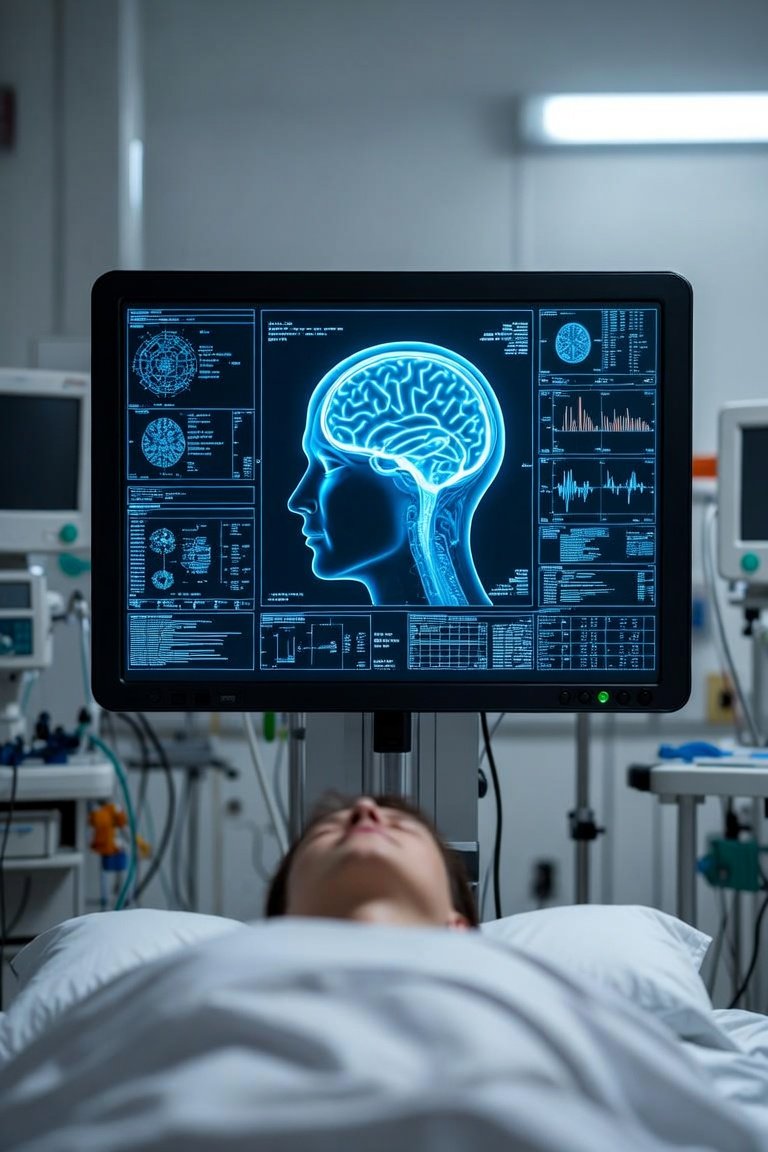
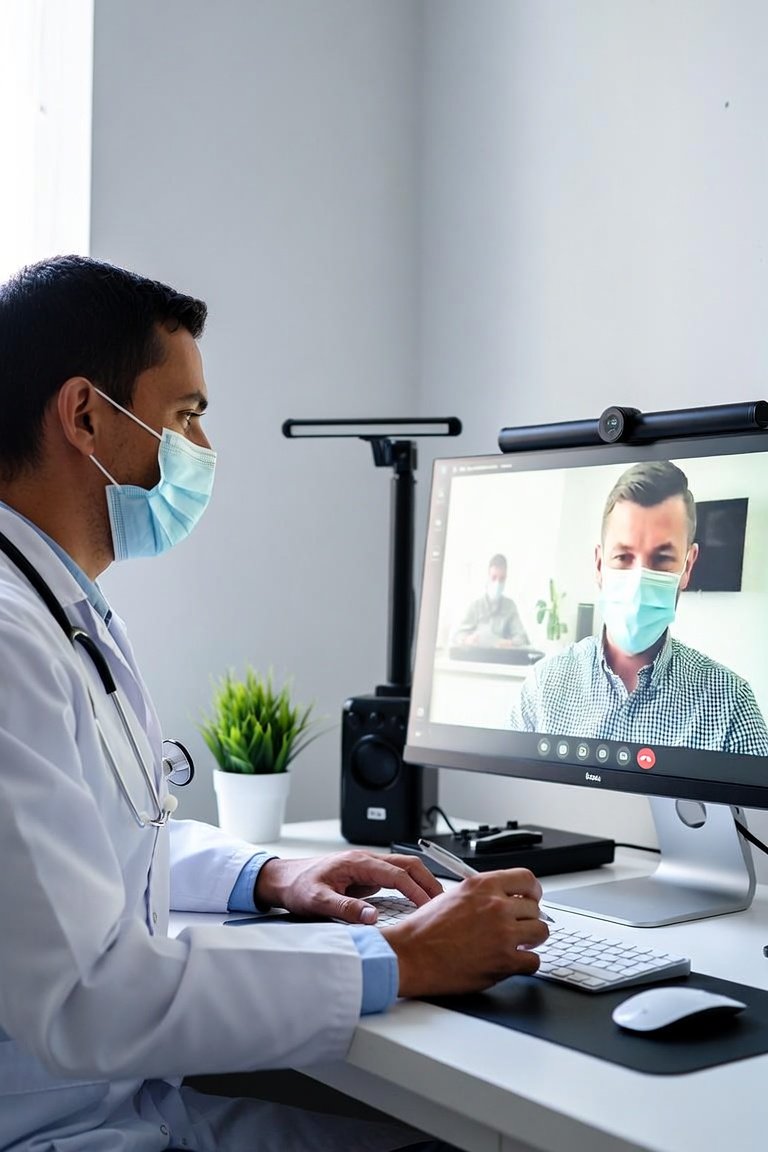
The integration of machine learning into medical diagnosis is no longer a futuristic concept. It is here, and it is reshaping how clinics operate. As a medical equipment specialist with two decades in the field, I have seen diagnostic tools evolve from simple rule-based systems to sophisticated algorithms that learn from thousands of patient cases. For clinic managers, understanding this technology is not optional; it is essential for staying competitive and improving patient outcomes.
Key Features and Benefits of Machine Learning Diagnostic Systems
The core advantage of machine learning in diagnosis is its ability to detect patterns invisible to the human eye. Consider these practical features:
1. Image Recognition Enhancement. Systems like those from Aidoc or Zebra Medical Vision analyze CT scans, MRIs, and X-rays. They flag suspicious nodules, fractures, or hemorrhages in seconds. A radiologist can then prioritize urgent cases, reducing turnaround times by up to 30 percent.
2. Predictive Analytics. Algorithms can assess patient data, including lab results and vital signs, to predict disease progression. For example, in diabetic retinopathy screening, IDx-DR provides an automated diagnosis without a specialist present. This allows primary care clinics to screen high-risk patients on-site.
3. Workflow Integration. Modern platforms like Viz.ai integrate directly with existing EHR systems. They send alerts to the clinical team when a patient meets criteria for stroke or sepsis. This eliminates manual chart review and speeds up treatment initiation.
Comparing Options: Standalone vs. Integrated Systems
When evaluating machine learning diagnostic tools, you have two primary paths. Standalone systems, such as Butterfly iQ for ultrasound, use AI directly on the device. They are portable, require no network connection, and are ideal for point-of-care settings. The trade-off is limited data sharing and no central analytics.
Integrated systems, like those from GE Healthcare or Philips, embed machine learning into hospital-wide platforms. They pull data from multiple sources, including lab, imaging, and patient monitors. This offers a comprehensive view but demands robust IT infrastructure and cybersecurity protocols. For a mid-sized clinic, I recommend starting with a focused standalone tool for one high-volume diagnosis, such as chest X-ray interpretation, before scaling to an integrated solution.
What to Look For When Selecting a System
First, demand transparency in algorithm validation. Ask for sensitivity and specificity data specific to your patient population. A model trained on European data may not perform well in a diverse urban clinic. Second, ensure the system meets HIPAA and local data privacy regulations. Some vendors offer on-premise processing to keep data within your network. Third, evaluate the training requirements. Staff should not need a computer science degree. Look for systems with intuitive interfaces and vendor-provided training modules. Finally, consider the upgrade path. Machine learning models improve over time. Choose a vendor that provides regular updates without excessive additional costs.
Closing Recommendation
Machine learning in medical diagnosis is a powerful tool, not a replacement for clinical judgment. It handles repetitive tasks and highlights critical findings, freeing your team to focus on patient care. Start small. Pick one diagnostic area where delays are common, implement a validated system, and measure the impact on turnaround time and diagnostic accuracy. The technology is mature enough to deliver results today. Your clinic can lead the shift toward smarter, faster, and more precise diagnosis. The key is to begin now, with clear goals and a practical plan.
Clinic Management
Machine Learning in Medical Diagnosis: A Practical Guide for Clinic Managers