Opening a dental clinic is an exciting venture, but the sheer volume of equipment options can feel overwhelming. After two decades in medical technology, I have seen practices succeed or struggle based on their initial equipment choices. The key is not buying the most expensive items, but selecting reliable, practical tools that serve your patient flow and clinical needs. Let us focus on the absolute essentials for a functional, modern dental practice.
The core of any dental operatory is the delivery system. This includes the dental chair, the unit, and the light. Your chair must be comfortable for patients during long procedures and offer smooth, precise positioning for you. Look for a chair with a thin, contoured backrest and independent seat tilt. The unit should provide consistent air and water pressure, with a minimum of three handpiece ports. A high-quality operating light is non-negotiable. LED lights are now the standard. They provide brilliant, color-correct illumination without generating excessive heat. I recommend a light with adjustable intensity and a minimum of 30,000 lux output. Do not skimp here; a poor light causes eye strain and diagnostic errors.
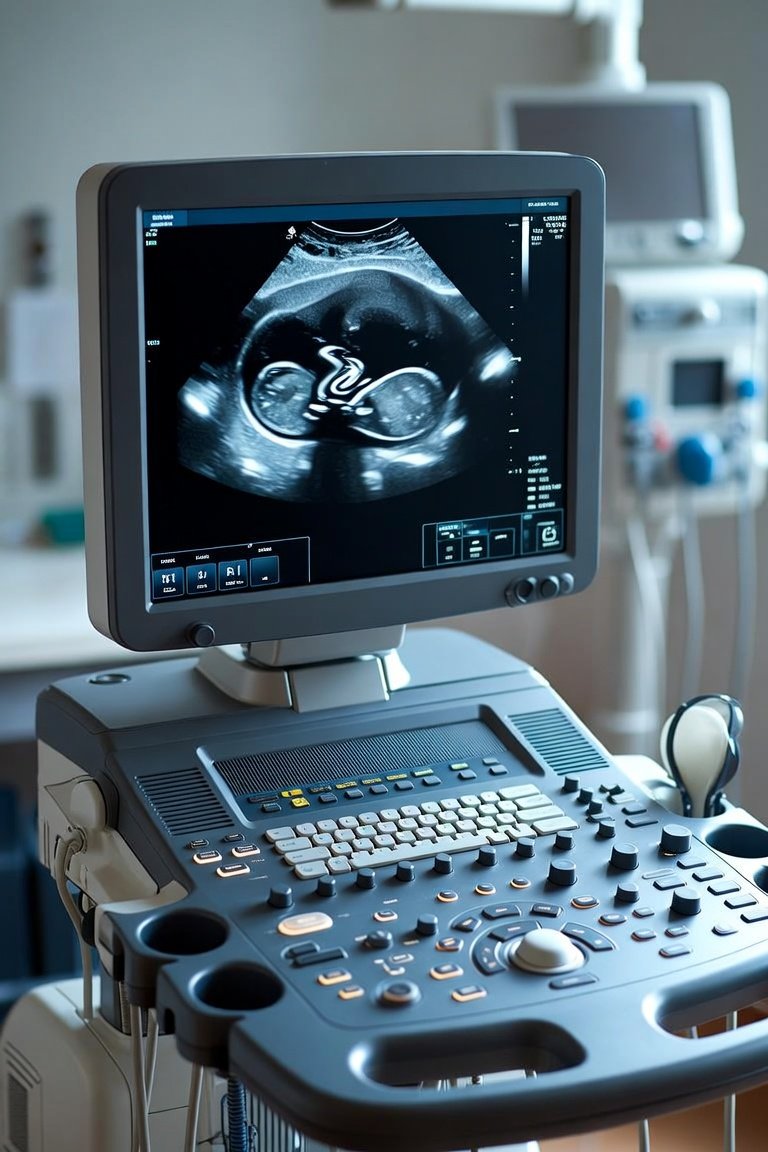
Beyond the chair, your diagnostic tools are your lifeline. A digital intraoral sensor is far superior to film. It reduces radiation exposure by up to 80 percent and provides instant images. Choose a sensor with a comfortable, rounded design and a high resolution of at least 20 line pairs per millimeter. Pair this with a phosphor plate system for bitewings and panoramic X-rays. For the X-ray generator itself, a handheld unit is excellent for portability, but a wall-mounted unit offers more consistent power and tube head stability. Always verify that your sensor and X-ray unit are compatible.
Now, let us talk about the handpieces. You need a high-speed handpiece for cutting and a low-speed handpiece for polishing and finishing. For high-speed, look for a model with a ceramic bearing and a push-button chuck for quick bur changes. A torque of at least 30 Ncm is ideal. For low-speed, a contra-angle attachment with a 1:1 ratio is standard, but consider a 1:5 reduction for precise finishing. I have seen many practices waste money on cheap handpieces that fail within months. Invest in a reputable brand; the repair costs on cheap units will exceed the savings.
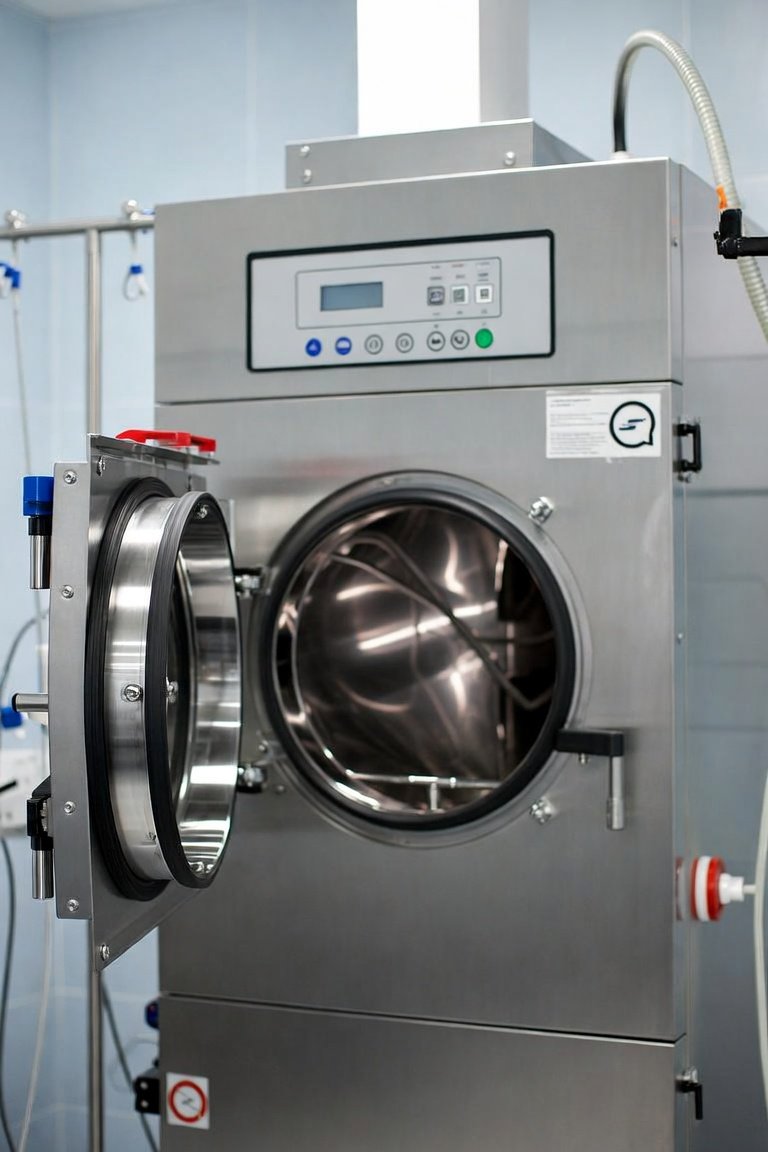
Your sterilization center is the backbone of infection control. You need an autoclave that is large enough to handle your daily instrument load. A Class B vacuum autoclave is the gold standard, as it sterilizes wrapped instruments and hollow items like handpieces. Look for a model with a cycle time under 30 minutes. Also, invest in a pouch sealer and a biological indicator incubator for weekly spore testing. Do not forget a reliable ultrasonic cleaner for pre-sterilization cleaning. A heated ultrasonic with a timer is far more effective than manual scrubbing.
Finally, consider the patient experience. A modern dental chair should include a monitor mount for patient entertainment. A simple screen showing a movie or nature scenes reduces anxiety significantly. Also, invest in a good intraoral camera. It is not just for documentation; it is a powerful patient education tool. Show patients their own teeth on a screen, and they will understand your treatment recommendations immediately.
In summary, start with a high-quality delivery system, a digital sensor, reliable handpieces, and a proper sterilization center. Avoid the temptation to buy the cheapest options. A mid-range chair from a reputable manufacturer will serve you for a decade. A cheap chair will cause back pain and patient complaints within two years. Your equipment is your primary tool for clinical excellence and patient trust. Choose wisely, and your practice will thrive.
Clinic Equipment
Starting a Dental Practice: The Equipment That Matters Most