After two decades in medical technology, I have watched surgical robots evolve from experimental curiosities into essential tools. Today, they are not just the future—they are the present. The question for any hospital administrator or surgeon is no longer IF to adopt robotic surgery, but WHICH system and HOW to integrate it effectively.
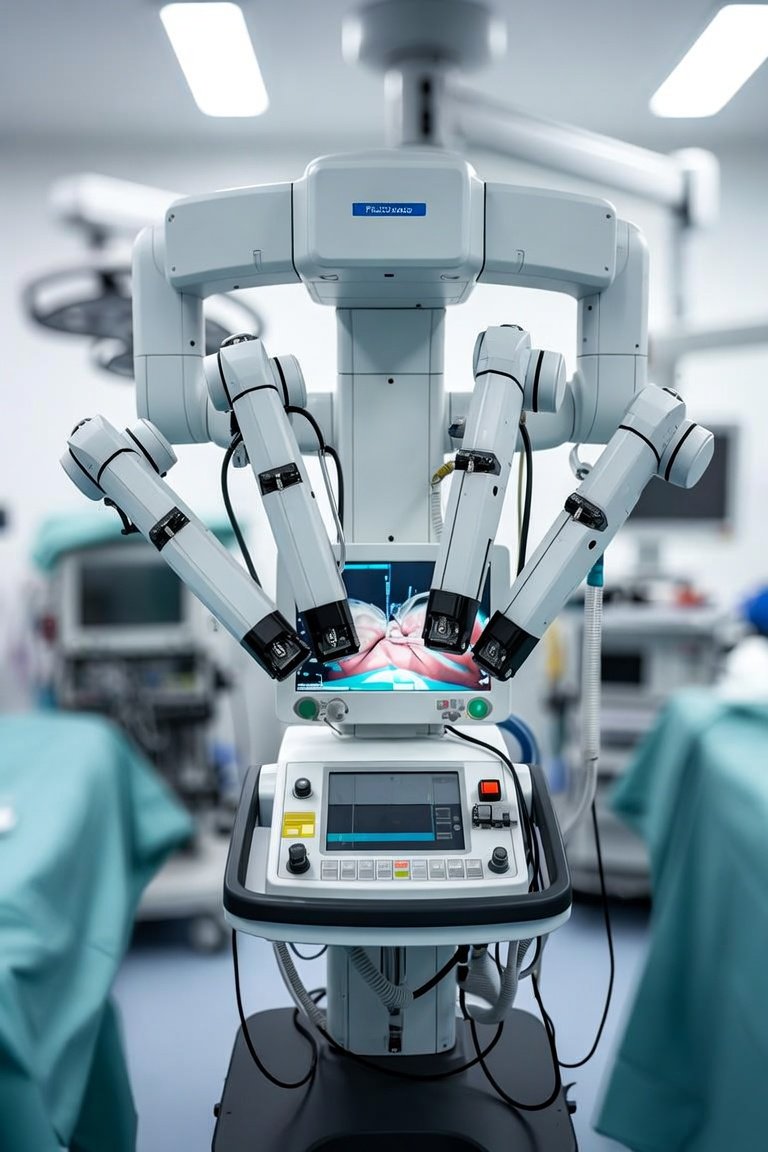
Let me share what I have learned from installing and maintaining these systems across dozens of facilities. The core value of surgical robots is not automation—it is augmentation. They extend the surgeon’s capabilities, not replace them. The three most critical innovations you need to understand are: 1) Wristed instruments that mimic human hand movement with seven degrees of freedom, allowing access to tight spaces like the pelvis or thoracic cavity. 2) High-definition 3D vision systems with 10x to 15x magnification, giving surgeons a view impossible with the naked eye. 3) Tremor filtration and motion scaling, which smooth out even the steadiest hand, reducing tissue trauma and improving precision.
When comparing systems, you have several strong options. The Intuitive da Vinci Xi remains the workhorse, with over 10,000 units installed globally. It excels in urology and gynecology. But do not overlook newer entrants. The Medtronic Hugo system offers a modular, open console design that some surgeons prefer for ergonomics. The Asensus Surgical Senhance uses eye-tracking to control the camera, a feature that speeds up procedures once mastered. For orthopedics, Stryker’s Mako robot is dominant for knee and hip replacements, using pre-operative CT scans to plan bone cuts with sub-millimeter accuracy. Each system has a learning curve, but the trend is toward shorter, more intuitive training—typically 20 to 30 procedures for basic competency.
What should you look for when evaluating a surgical robot for your facility? First, assess your case volume. A robot is a significant capital investment—typically 1 to 2.5 million dollars, plus annual service contracts of 150,000 to 200,000. You need at least 150 to 200 robotic procedures per year to justify the cost. Second, consider the instrument lifecycle. Most robotic instruments have a limited number of uses, often 10 to 20, before they must be replaced. This affects your per-case cost, which can range from 1,500 to 3,500 dollars depending on the procedure. Third, prioritize training and support. The best robot in the world is useless if your team cannot use it efficiently. Look for vendors who offer on-site proctoring, simulation-based training modules, and 24/7 technical support. Fourth, think about future upgrades. Robotic platforms are evolving rapidly. Choose a system with a clear upgrade path for software and hardware, not a closed architecture.
In my experience, the facilities that succeed with surgical robots are those that treat them as a program, not a device. This means dedicated nursing teams, standardized protocols, and continuous data collection on outcomes like length of stay, complication rates, and conversion to open surgery. The data is clear: robotic surgery reduces blood loss, shortens hospital stays by 1 to 2 days on average, and lowers readmission rates for many procedures.
My recommendation is straightforward: start with a pilot program in one specialty, such as urology or general surgery. Select a system that matches your volume and budget. Invest heavily in training. And measure everything. The operating room of tomorrow is here today—make sure you are ready to use it wisely.
Innovations & Tech
Surgical Robots: The New Standard in the Operating Room