After two decades in medical technology, I have watched telemedicine evolve from grainy video calls to a clinical-grade diagnostic tool. The equipment behind this shift is not just about cameras and microphones; it is about replicating the physical exam across distance. Let me walk you through what actually matters in a telemedicine setup today.
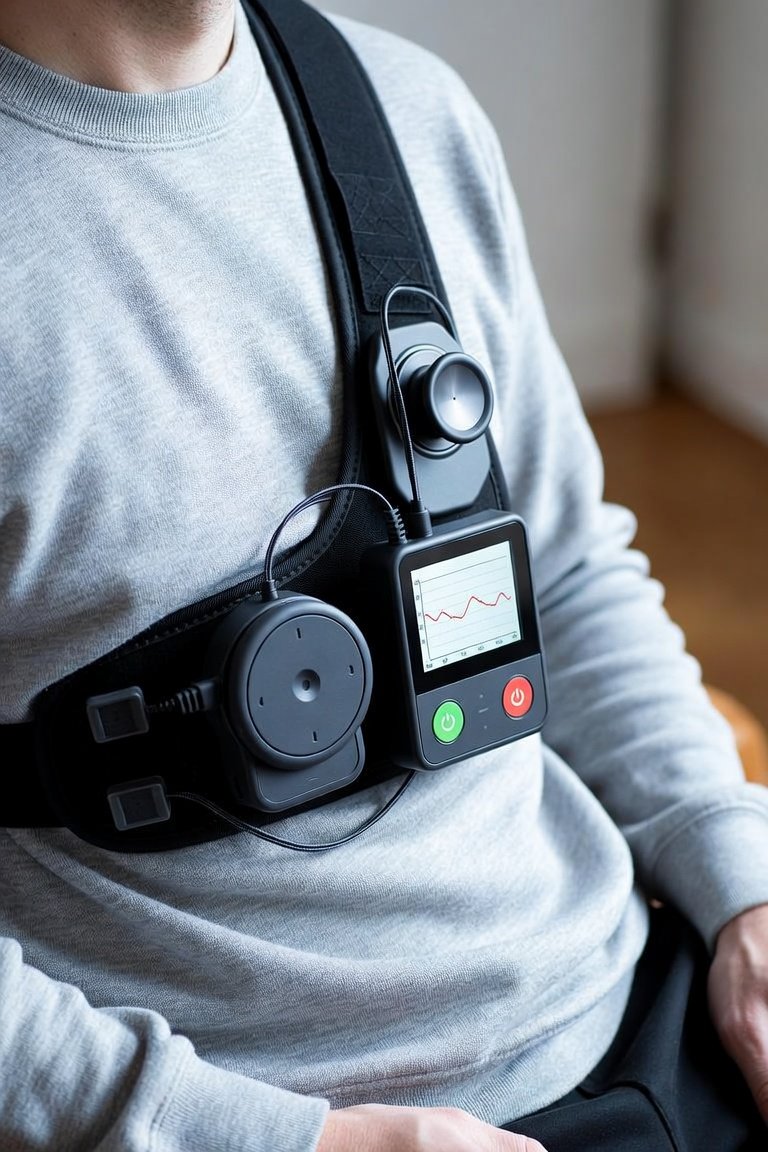
The cornerstone of any telemedicine system is the peripheral devices that extend the clinician's senses. For general practice, a digital stethoscope is non-negotiable. Look for models that filter ambient noise and provide real-time audio streaming with a frequency response of 20 Hz to 20 kHz. The 3M Littmann CORE and Eko DUO are industry benchmarks, but the key feature is Bluetooth 5.0 for low latency. For otoscopy, a video otoscope with a 3.9mm speculum and 640x480 resolution is the minimum for clear tympanic membrane visualization. I recommend the Firefly DE550 for its built-in LED ring light that eliminates shadows. Dermatology requires a dermoscope with cross-polarized light to reduce surface glare; the DermLite DL4 is my go-to for its 10x magnification and smartphone compatibility.
When comparing telemedicine platforms, the hardware-software integration is more critical than the brand name. A common mistake is buying a standalone camera and microphone, then trying to patch them into a generic video conferencing app. This introduces latency and poor codec optimization. Purpose-built telemedicine carts, like the AMD Global Telemedicine 2500 series, come with a pan-tilt-zoom camera (at least 1080p at 30 fps), a noise-cancelling speakerphone, and a document camera for wound imaging. The cart's height adjustment should be electric, not manual, to accommodate both seated and standing patients. For home-based care, a tablet with a 12-megapixel rear camera and a tripod mount is sufficient, but ensure the device has a USB-C port for connecting peripherals like a digital thermometer or pulse oximeter.
What to look for when selecting equipment: First, check the FDA clearance status of any diagnostic peripheral. Many consumer-grade devices claim medical accuracy but lack 510(k) clearance. Second, evaluate the network requirements. A full telemedicine setup with high-definition video and real-time audio streaming needs at least 10 Mbps upload and download speeds. If your clinic has variable bandwidth, choose a system with adaptive bitrate encoding that automatically reduces video quality to prevent dropouts. Third, consider the patient interface. The equipment should have a simple, single-button operation for patients with limited tech literacy. For example, the TytoCare device uses a guided exam mode that walks the patient through placing the stethoscope or otoscope correctly, reducing the need for live coaching.
My closing recommendation is to start with a modular system. Do not buy an all-in-one telemedicine station until you have tested your workflow with a basic setup: a laptop, a high-quality webcam (Logitech Brio 4K), and a USB stethoscope. Run 20 mock exams with colleagues to identify gaps. Only then invest in specialized peripherals like a slit lamp adapter for ophthalmology or a fetal doppler for prenatal care. Telemedicine technology is only as good as the equipment that supports it, and the right choices today will save you from costly upgrades tomorrow.
Innovations & Tech
Telemedicine Technology: The Equipment That Makes Remote Care Work