After two decades in medical technology, I have watched telemedicine evolve from grainy video calls into a sophisticated clinical tool. The pandemic accelerated adoption, but the real test has been durability. Today, I want to share what actually performs in the field, based on hundreds of installations from rural clinics to urban hospital systems.
The core of any telemedicine setup is the peripheral ecosystem. You cannot rely on a laptop webcam for clinical decisions. The single most important investment is a pan-tilt-zoom camera with 1080p resolution and optical zoom. I recommend models from Logitech or Poly that offer 10x optical zoom, not digital. Digital zoom degrades image quality, making skin assessment or wound evaluation unreliable. For audio, a beamforming microphone array is non-negotiable. Omni-directional mics pick up room echo. Beamforming units, like the Jabra Speak 710, focus on the speaker and cancel background noise from fans or monitors.
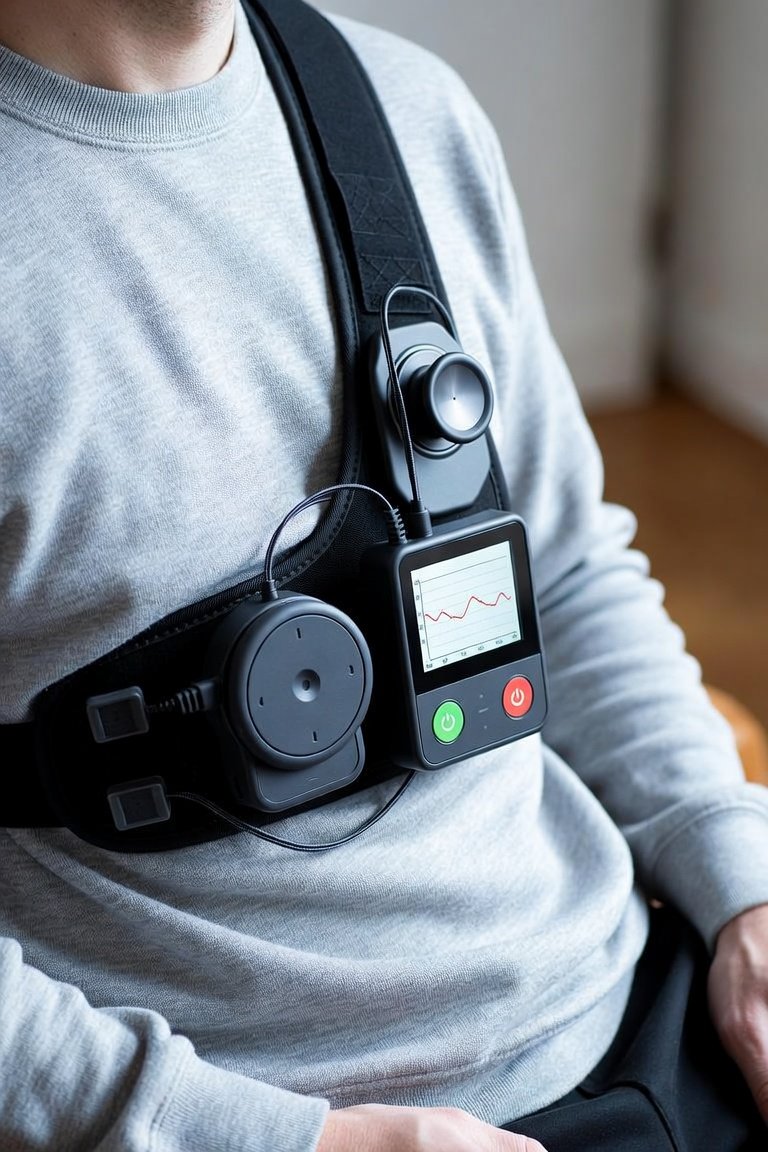
For physical examination, three devices have proven essential. 1. A digital stethoscope from Eko or Thinklabs. These devices amplify heart and lung sounds by 40 decibels and allow real-time streaming to a remote physician. The Eko DUO also records ECG lead I simultaneously. 2. A high-resolution otoscope and ophthalmoscope system. The Welch Allyn iExaminer adapts to smartphones and provides 100x magnification for ear exams. 3. A Bluetooth-enabled pulse oximeter and blood pressure cuff. Nonin and Omron models sync directly to the electronic health record, eliminating manual entry errors.
When comparing platforms, consider integration depth. Doxy.me is simple and HIPAA-compliant but lacks device integration. Amwell and Teladoc offer robust API connections to EMRs but require significant upfront investment. For most practices, a hybrid approach works best: use a dedicated telemedicine cart with a 24-inch monitor, the camera system, and a laptop running a platform like Zoom for Healthcare. The cart should have a locking drawer for peripherals and a battery backup for 4 hours of operation.
What to look for when purchasing: First, ensure all devices use USB-C connectivity. Older USB-A peripherals cause driver conflicts. Second, verify the platform supports 256-bit AES encryption for data at rest and in transit. Third, test the system in your actual exam room lighting. Fluorescent lights cause flicker on cameras without anti-flicker settings. I always recommend a 5,000 Kelvin LED ring light mounted behind the camera to eliminate shadows on the patient's face.
Finally, consider the patient's experience. A 2023 study in the Journal of Telemedicine found that 78% of patients rated a visit as excellent when the provider used a dedicated camera and stethoscope, versus 52% when using a tablet. Invest in a simple patient-side kit: a tablet on a stand, a pair of over-ear headphones, and a printed instruction card for connecting peripherals. This reduces the "can you hear me now" frustration.
My closing recommendation: start with a single consultation room. Equip it with the Poly Studio P15 camera, an Eko DUO stethoscope, and a Nonin 9590 pulse oximeter. Run 50 test visits with your own staff. Measure connection stability, audio clarity, and the time to complete an exam. Only then scale to additional rooms. Telemedicine is not about replacing in-person care; it is about extending your clinical reach. The right equipment makes that reach reliable, not just possible.
Innovations & Tech
The Connected Exam Room: Telemedicine Equipment That Works