I have spent two decades watching surgical robots evolve from bulky, expensive curiosities into essential tools in the modern operating room. The future is not about robots replacing surgeons. It is about giving them superhuman precision, endurance, and data. The technology is mature enough now that the question is no longer IF you should consider a robotic system, but WHICH one fits your surgical volume and specialty.
The key innovations driving this change are threefold. First, HAPTIC FEEDBACK has finally arrived in meaningful form. Early systems felt like operating with numb hands. Newer platforms from manufacturers like Intuitive and Asensus provide tactile resistance that mimics tissue tension. You can now feel the difference between suturing a vein and a duct. Second, ARTIFICIAL INTELLIGENCE is being integrated for real-time guidance. The system can highlight critical structures like the ureter or bile duct during a procedure, reducing the risk of accidental injury. Third, SINGLE-PORT ACCESS is becoming more reliable. Instead of multiple incisions, a single small port can house a camera and three instruments. This reduces patient trauma and speeds recovery for procedures like gallbladder removal or prostate surgery.
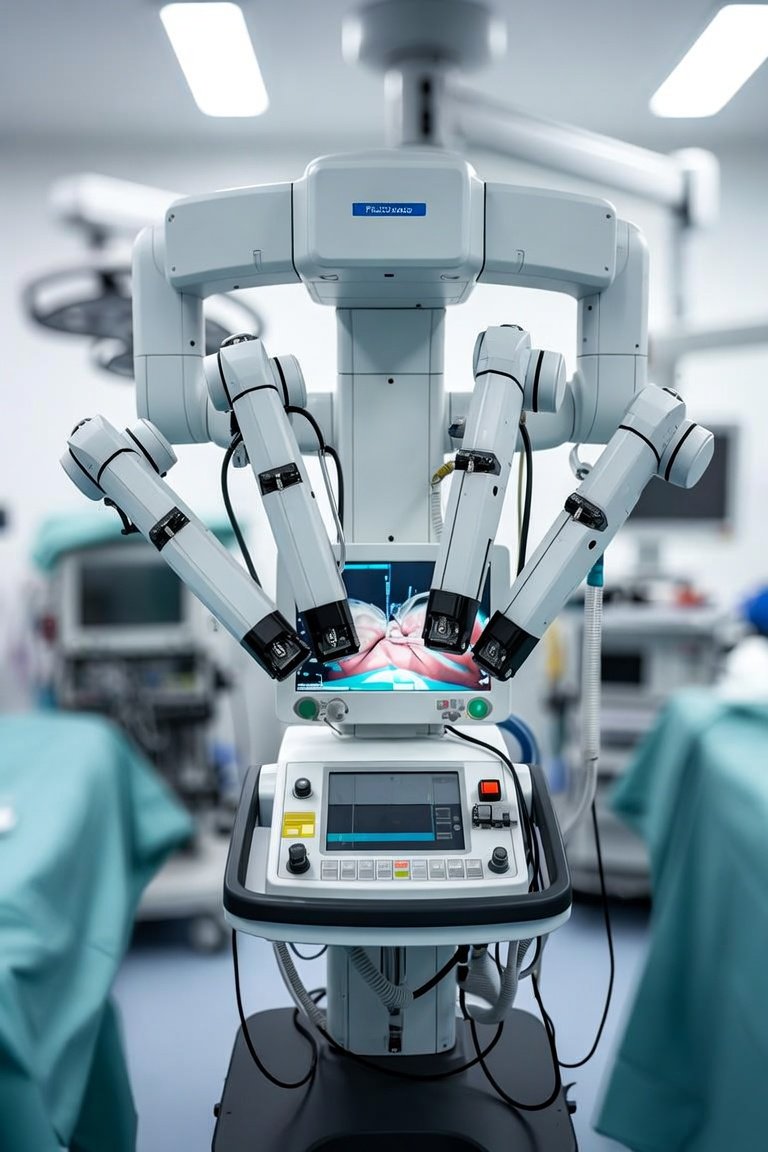
When comparing systems, you have three main options. The da Vinci Xi remains the gold standard for urology and gynecology. Its EndoWrist instruments offer seven degrees of freedom, and the 3D high-definition vision is exceptional. However, the capital cost is high, and the proprietary instruments add a per-case expense. The Senhance system by Asensus offers a different value proposition: it uses reusable instruments and a much lower initial investment. I have seen hospitals adopt it for general surgery and colorectal procedures where cost control is critical. The newest entrant, the Versius system from CMR Surgical, is modular. Each arm is independent and can be positioned around the table. This is a game-changer for smaller ORs with limited space. It also uses a more intuitive open-console design that some surgeons find less isolating than the traditional cockpit.
What you must look for when evaluating a system goes beyond the brochure. First, assess your team’s training curve. The da Vinci requires a dedicated proctorship of 10 to 20 cases before a surgeon is comfortable. The Senhance and Versius have shorter learning curves, typically 5 to 10 cases, because they use more familiar laparoscopic handles. Second, consider maintenance. The da Vinci requires a full-service contract that runs 10 to 15 percent of the purchase price annually. The newer systems offer more flexible service plans. Third, think about data integration. Modern robots generate gigabytes of video and motion data per case. You need an IT infrastructure that can store, analyze, and protect that data. A robot without a data plan is like a sports car without a fuel gauge.
The future operating room will be a hybrid environment. You will have a robotic arm for precise dissection, a laparoscopic tower for backup, and an AI system that overlays patient-specific anatomy from pre-operative scans. I have already seen this in prototype form at major teaching hospitals. The surgeon remains in control, but the robot handles the tremor, the fatigue, and the minute adjustments that human hands cannot sustain for hours.
My recommendation is this: do not buy a robot because it is the latest trend. Buy it because it solves a specific problem in your practice. If you do high-volume prostate surgery, the da Vinci is still the proven workhorse. If you want a cost-effective, flexible system for a general surgery department, look at the Versius or Senhance. And always, ALWAYS, invest in the training. A poorly used robot is just an expensive paperweight. The future is bright, but it belongs to the prepared team.
Innovations & Tech
Surgical Robots: Precision Partners, Not Replacements