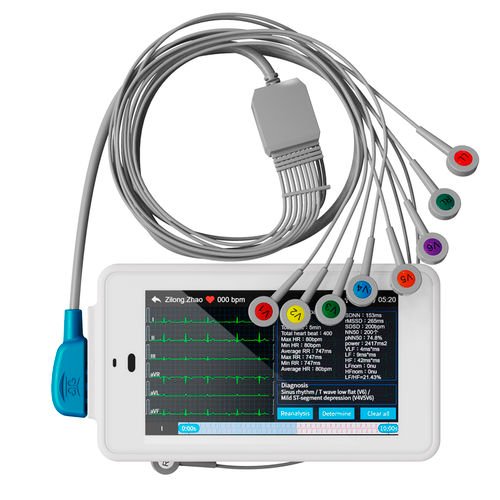
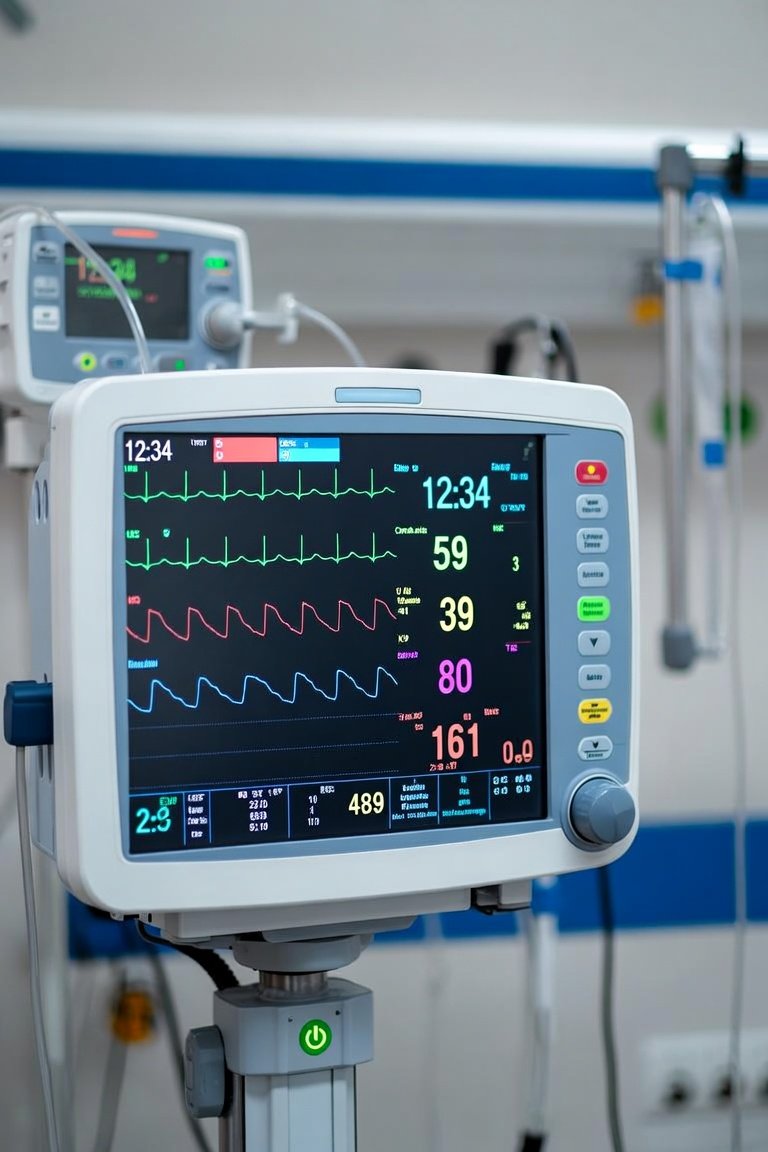
When the call comes in for a cardiac arrest, the defibrillator is the single most important tool in your hands. The difference between a good outcome and a bad one often comes down to how quickly and reliably that device delivers a shock. After two decades of working alongside these machines in hospitals, clinics, and field settings, I can tell you that not all defibrillators are created equal. The best unit for your team is not necessarily the most expensive one, but the one that fits your workflow, your staff's skill level, and your environment. Let's break down what truly matters.
The first thing to consider is the device's core technology, specifically the waveform. Biphasic defibrillators are now the standard of care, and for good reason. They deliver energy in two phases, which means you can achieve effective defibrillation with lower energy levels, typically 120 to 200 joules, compared to the older monophasic units that needed 360. This lower energy translates to less myocardial damage and a higher first-shock success rate. Look for a device that offers escalating energy options, allowing you to increase the dose if the first shock fails. Also, pay attention to the charging time. A unit that charges to maximum energy in under five seconds is ideal, as it minimizes the pause in chest compressions, which is critical for maintaining coronary perfusion pressure.
Now, let's talk about the practical differences between the two main categories you will choose from: manual defibrillators and automated external defibrillators, or AEDs. For a hospital code team or a critical care unit, a manual unit with a full-color display is non-negotiable. You need to see the ECG waveform clearly to analyze rhythms like V-fib, pulseless V-tach, or asystole, and you need the ability to synchronize shocks for cardioversion. The Zoll R Series and the Philips HeartStart Intrepid are excellent examples of this class. They offer advanced features like capnography integration, which confirms endotracheal tube placement and monitors the effectiveness of CPR, and they have pacing capabilities built in. These are workhorses, but they require a high level of training.
On the other hand, for general wards, outpatient clinics, or dental offices, a high-quality AED is often the smarter choice. The best AEDs, like the Physio-Control LIFEPAK CR2 or the Zoll AED Plus, are incredibly intuitive. They provide clear voice prompts and visual cues, and many now offer real-time CPR feedback, telling the rescuer if they are compressing hard enough and at the right rate. This is a game-changer for staff who do not run codes every day. The Zoll AED Plus even uses a unique electrode pad that measures the depth of compressions, guiding the user with a metronome. The key here is to look for a device with a long battery life, a rugged casing, and simple maintenance requirements. You want a device that you can grab and use without a second thought.
When you are making your final decision, look beyond the sticker price. Consider the total cost of ownership, which includes the price of replacement pads and batteries. Pads have a shelf life, typically two to five years, and you will need to replace them before they expire. Some manufacturers offer a subscription service that automatically sends you new pads before the old ones expire, which is a lifesaver for inventory management. Also, think about the device's data management capabilities. The best units will automatically record the entire resuscitation event, including the ECG, the timing of shocks, and the quality of CPR. Being able to download and review this data is essential for your quality improvement program and for training your staff. Finally, ensure the device is compatible with your hospital's existing monitoring system, if that is a requirement. In the end, the best defibrillator is the one your team is most comfortable using. It should be simple enough for a first responder, yet powerful enough for a specialist. Take the time to train your staff on the specific unit you choose, run regular mock codes, and you will be ready when it matters most.
Medical Devices
The Defibrillator That Won't Let You Down: A Clinician's Guide to Choosing Wisely