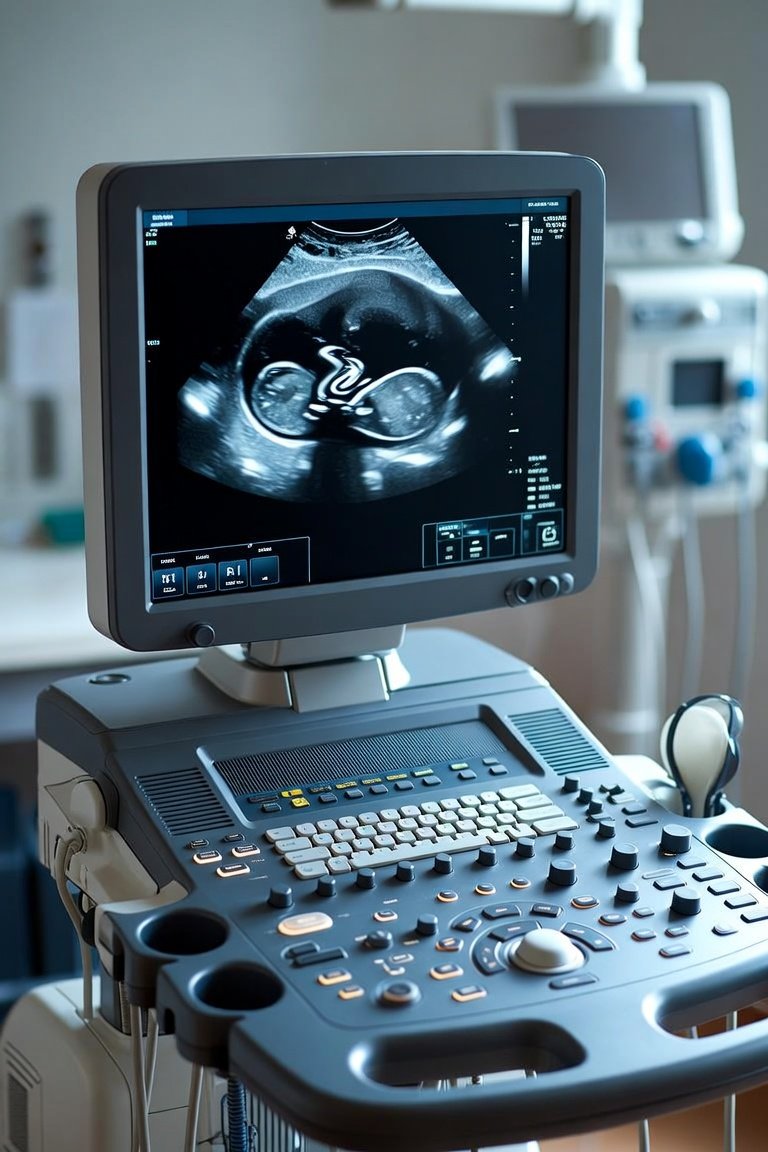
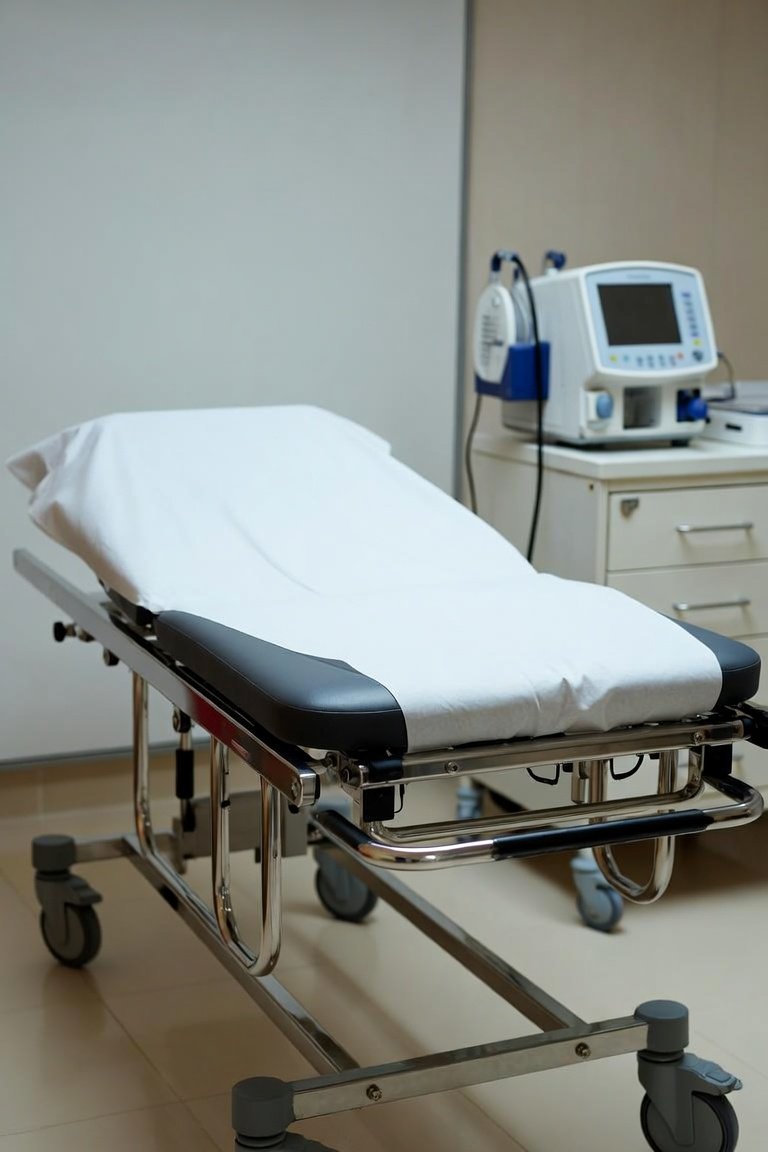
Walk into any modern clinic and the first thing you notice is the light. It shapes the entire patient experience, from the moment they step through the door to the final consultation. For twenty years, I have watched practices invest heavily in diagnostic equipment while overlooking the single most influential factor in patient anxiety and clinical accuracy: the lighting system. Poor lighting does not just make a room feel cold; it strains your eyes, skews your color perception, and puts your patients on edge. This guide breaks down how to build a lighting environment that serves both your clinical needs and your patients' peace of mind.
The foundation of any exam room is the examination light itself. You have three primary categories to consider: LED, halogen, and fiber-optic. Halogen lights have been the workhorse for decades, offering excellent color rendering, but they generate significant heat and consume more energy. Fiber-optic systems deliver cool, intense light but require delicate cables that can be a maintenance headache. Today, LED is the clear winner for most practices. Modern LED exam lights now achieve a Color Rendering Index (CRI) of 95 or higher, which is critical for assessing skin tones, jaundice, or wound healing. When comparing units, look for a light head with a minimum of 50,000 lux output at a working distance of 30 inches. Do not be seduced by maximum brightness alone; a unit with stepless dimming from 1 to 100 percent is far more valuable than a fixed high-output lamp. This allows you to drop the intensity for a general exam and crank it up for a detailed suture or dermatological check.
Beyond the primary exam light, you must address ambient and task lighting separately. A common mistake is relying solely on a single overhead fixture. This creates harsh shadows and a cave-like atmosphere. Instead, use a three-tier approach. First, install indirect ambient lighting, such as cove lighting or uplights, to bounce light off the ceiling for a soft, glare-free base. Second, add a dedicated task light over your desk or computer workstation, aimed away from the patient. Third, and most importantly, install a wall-mounted or ceiling-mounted patient examination light with a swivel arm. This gives you precise control without dragging a portable unit across the floor. For the ambient source, choose a color temperature of 4000K to 5000K. This neutral white mimics daylight and reduces eye fatigue during long procedures. Avoid warm 2700K bulbs in the exam area, as they can make a patient appear flushed or jaundiced, leading to misdiagnosis.
When you start comparing specific products, you will notice two dominant form factors for exam lights: the track-mounted multi-head system and the single articulated arm unit. Track systems, often with two or three separate light heads on a ceiling rail, are excellent for minor procedure rooms where you need to direct light from multiple angles simultaneously. The downside is cost and installation complexity. The articulated arm, often with a spring-balanced mechanism, is more versatile and typically more affordable. Test the arm's friction and locking mechanism before purchase; a head that drifts down during a procedure is a constant annoyance. Also, check the control interface. Look for a unit with a sealed, touch-sensitive membrane or a foot pedal. Physical knobs and buttons harbor bacteria and are difficult to wipe down between patients. A foot pedal is a wise investment, as it keeps your hands sterile and gloved.
Finally, do not underestimate the power of natural light and patient-facing controls. If your exam room has a window, use sheer blinds to diffuse direct sunlight, which can cause glare on monitors and create uneven hot spots. Place the patient's chair so they are not facing a bright window, which causes squinting and discomfort. A simple, often overlooked feature is a dimmer switch for the main room lights, accessible to the patient. Giving the patient the ability to adjust brightness during a consultation reduces anxiety and gives them a sense of control. Look for a lighting system that is UL 60601-1 certified for medical equipment, ensuring it meets strict safety standards for electrical leakage and electromagnetic interference. Your investment in lighting is an investment in diagnostic clarity and patient trust. A well-lit room is the quietest tool you have.
Clinic Equipment
The Exam Room Glow: A Practical Guide to Clinic Lighting and Patient Comfort