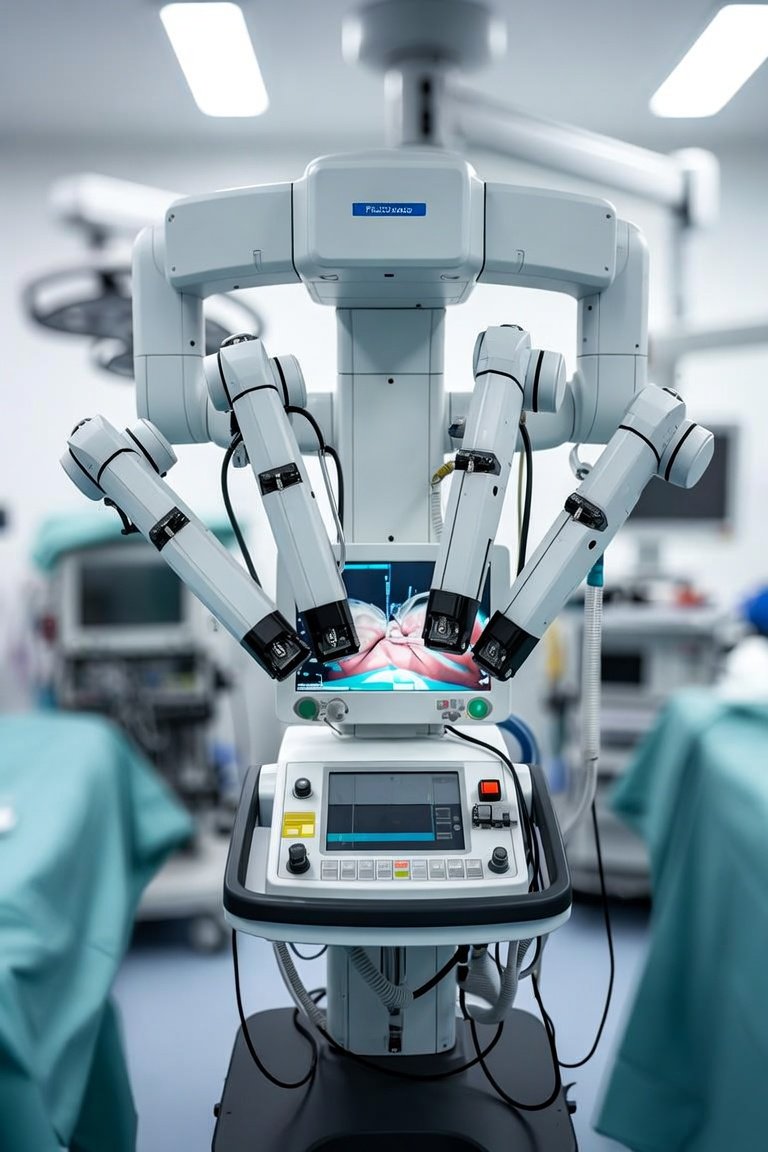
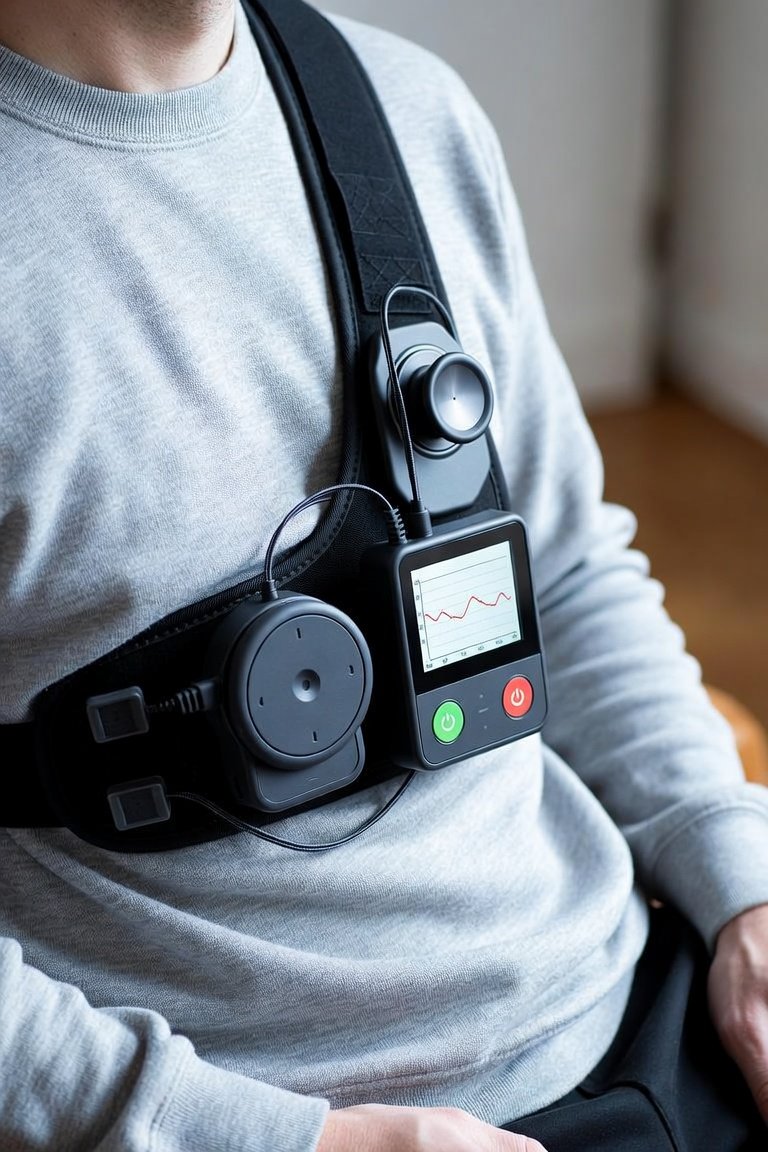
I’ve spent two decades in medical technology, and I’ve seen simulation tools come and go. But virtual reality is different. It is not a gimmick. When implemented correctly, VR is the closest thing we have to a flight simulator for surgeons, emergency physicians, and interventional radiologists. The shift from passive video learning to active, immersive haptic feedback is a genuine leap forward. In my own experience installing these systems, the most profound change is not the graphics—it is the learner’s muscle memory. They are not watching a procedure; they are performing it, with the same hand-eye coordination demands as a live patient.
The key features that separate modern VR trainers from older box simulators are threefold. 1) Real-time tissue deformation and physics-based feedback. Systems like the CAE Vimedix and the FundamentalVR platform now model organ density and tool resistance with sub-millimeter accuracy, which means a trainee feels the "pop" of a vessel puncture. 2) Full upper-body tracking with haptic gloves or handheld instruments. The latest HTC VIVE Pro and Varjo headsets track finger flexion, not just the controller, allowing for nuanced tasks like suturing or catheter torquing. 3) Objective performance analytics. The software logs every movement, time-to-task, and error count, then generates a competency report that is far more objective than a senior surgeon’s subjective evaluation.
When comparing systems, you have two distinct categories: high-fidelity, single-user simulators and collaborative, multi-user environments. The former, like the Simbionix LAP Mentor, is ideal for individual skill acquisition—repetitive practice on a specific procedure like a cholecystectomy. The latter, such as the Microsoft HoloLens-based platforms, allows a senior physician to "enter" the same virtual space as a junior resident, draw on the anatomy, and verbally guide them in real time. For a department budget, I recommend starting with a single-user system for core competencies. Multi-user systems are excellent but require more IT infrastructure and bandwidth, which many hospital networks underestimate.
What should you look for when purchasing? First, verify the hardware is medical-grade, not consumer VR. Medical units have higher refresh rates (90Hz minimum) to prevent motion sickness, and their lenses are calibrated for prolonged use without eye strain. Second, check the library of modules. A system with 20 procedures is not better than one with 5 if those 5 match your exact surgical case mix. Third, insist on a service contract that includes software updates. Anatomy and technique guidelines change; your VR content must evolve with them. Finally, do not ignore the physical footprint. A dedicated VR station needs a clear 3x3 meter space, free of obstacles, with proper cable management. I have seen many systems installed in cramped rooms, which defeats the purpose.
In closing, virtual reality will not replace cadaver labs or live observation—it will augment them. The best use case is pre-operative rehearsal. A resident can practice a complex aortic repair ten times in VR the day before the actual surgery, arriving with confidence and a mental roadmap. If you are evaluating this technology, ask for a pilot program with your specific surgical team. Let them use it for two weeks. I guarantee you will see a measurable improvement in procedural time and a reduction in errors on the next live case. That is the bottom line.
Innovations & Tech
Virtual Reality in Medical Training: Moving Beyond the Hype