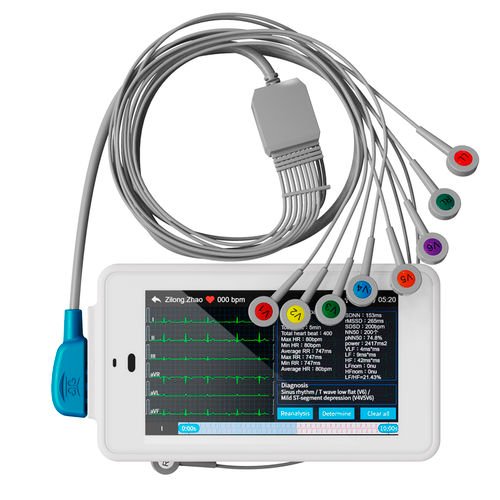
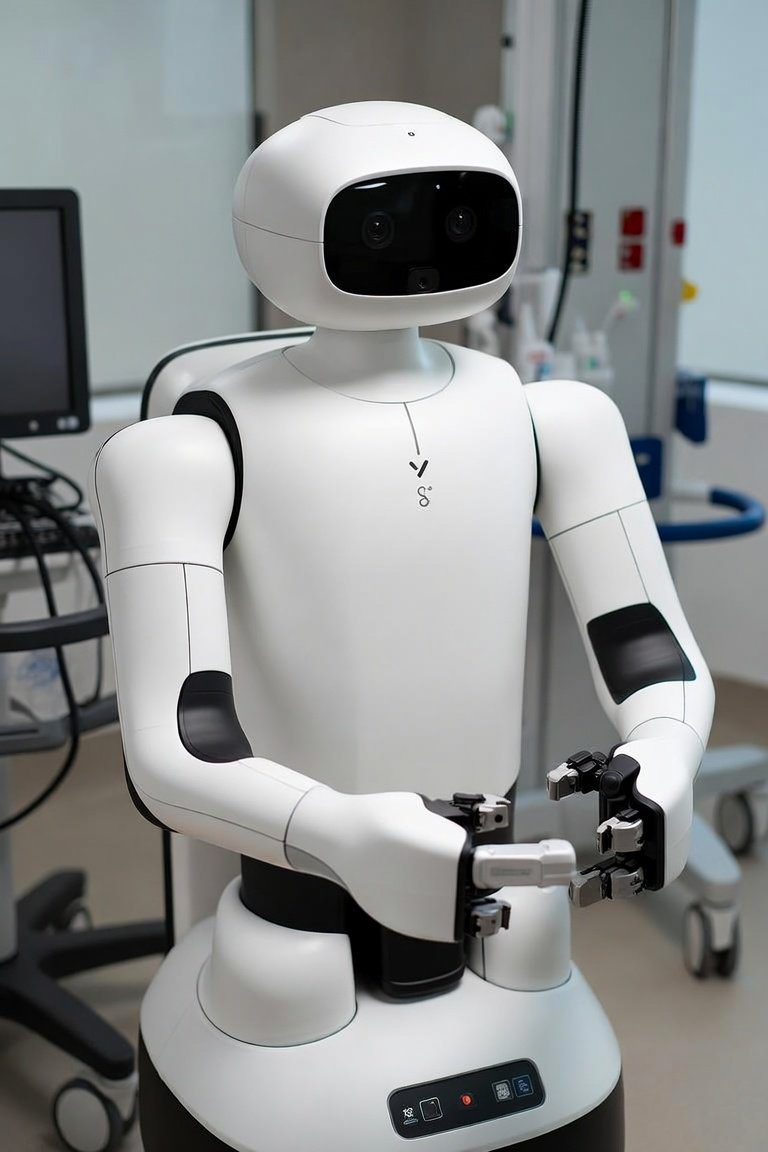
After two decades in medical technology, I have seen vital sign monitoring evolve from cumbersome wired carts to sleek, wearable devices. Wireless monitors are now common in step-down units, long-term care, and even home health. But before you replace your hardwired systems, understand the real trade-offs.
The primary advantage is patient mobility. A patient wearing a wireless patch can walk the hallway, use the bathroom, or sit in a chair without dragging cables. This reduces fall risk and improves patient satisfaction. For hospitals, it also means fewer false alarms from tangled leads and less time spent reconnecting patients after transport.
From a technical standpoint, modern wireless monitors use Bluetooth Low Energy or proprietary radio frequencies to transmit data to a central station or smartphone. They typically measure heart rate, respiratory rate, oxygen saturation, and sometimes blood pressure via an integrated cuff. Some advanced models even include continuous temperature and activity tracking.
Now, the cons. The most significant is signal interference. In a busy hospital environment, walls, metal equipment, and other wireless devices can cause dropouts. I have seen cases where a patient’s heart rate suddenly reads zero simply because the monitor lost connection for 15 seconds. This can trigger unnecessary alarms or, worse, miss a genuine event.
Battery life is another practical concern. Most wireless monitors last 24 to 72 hours per charge. If a patient is on a multi-day stay, you must plan for recharging or swapping devices. This adds workload for nursing staff. Also, some devices require daily calibration, especially for blood pressure readings, which can be forgotten during busy shifts.
Data accuracy varies by manufacturer. In my experience, chest-strap ECG monitors provide the most reliable heart rate data, while wrist-worn optical sensors are less accurate during motion. For respiratory rate, impedance-based patches are better than accelerometer-based ones. Always check published validation studies for the specific patient population you serve.
When comparing options, consider the clinical setting. For a telemetry unit, look for monitors with a backup local memory that stores data during signal loss. For home use, prioritize devices with cellular or Wi-Fi connectivity so family members can receive alerts. For emergency departments, choose rugged, water-resistant models that can survive cleaning with disinfectant wipes.
What to look for: First, ensure the monitor uses a frequency band that is cleared by your hospital’s wireless network team. Second, verify that the central monitoring software integrates with your existing electronic health record. Third, test the alarm system thoroughly. Some wireless monitors have a delay of 5 to 10 seconds between a critical event and the alarm sounding. That delay can be life-threatening in a code situation.
Finally, consider total cost of ownership. Wireless monitors often have higher upfront costs than wired systems, but lower installation costs since no cabling is needed. However, you will need to budget for replacement batteries, charging stations, and periodic firmware updates. A typical wireless monitor costs between 2,000 and 5,000 dollars per unit, with annual maintenance fees around 10 percent of purchase price.
My closing recommendation: Do not adopt wireless vital sign monitors for every patient. Reserve them for stable patients who benefit from mobility, such as those in rehabilitation or long-term monitoring. For critical care or unstable patients, stick with hardwired monitors that offer continuous, interruption-free data. The technology is excellent, but it is not yet a universal replacement for wired systems. Test a trial unit on your floor for 30 days before committing to a full rollout. That hands-on experience will reveal the real pros and cons for your specific environment.
Medical Devices
Wireless Vital Sign Monitors: Balancing Freedom Against Reliability