The Quiet Evolution of At-Home Heart Monitoring
For decades, the standard of care for arrhythmia detection meant wearing a clunky Holter monitor for 24 to 48 hours, with a tangle of wires glued to your chest,
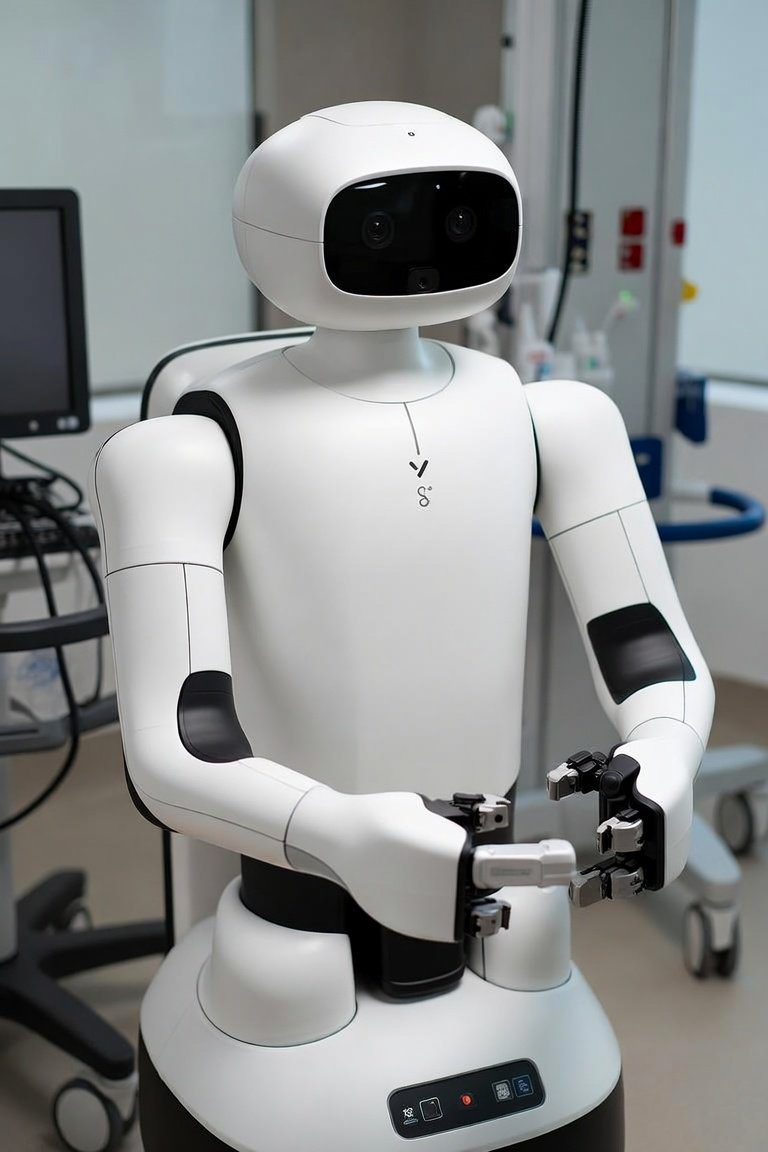
Over the past three years, I have watched artificial intelligence move from a buzzword on a conference slide to a permanent fixture in radiology suites, patholo
Every day, clinicians make dozens of decisions that hinge on a single question: should this device be thrown away after one use, or processed for the next patie
In my two decades servicing operating rooms, I have seen the silent evolution of the battlefield that happens after the patient leaves. The true test of a hospi
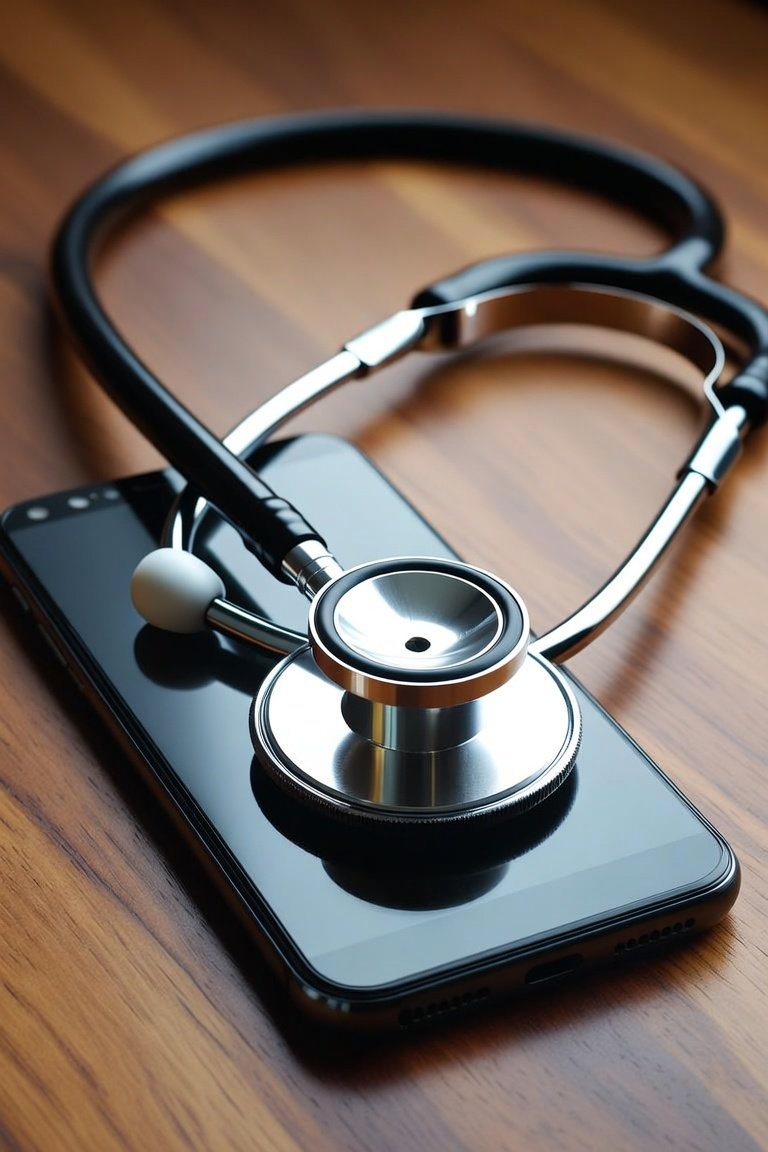
For over two centuries, the acoustic stethoscope has been the symbol of medicine, a simple tube of metal and rubber that connects a clinician’s ears to the bo
Over the past decade, the shift from traditional halogen and LED direct instruments to digital otoscopes and ophthalmoscopes has transformed how we document, di
For over two centuries, the acoustic stethoscope has been the unwavering symbol of medicine. But in the last decade, a digital challenger has emerged, promising
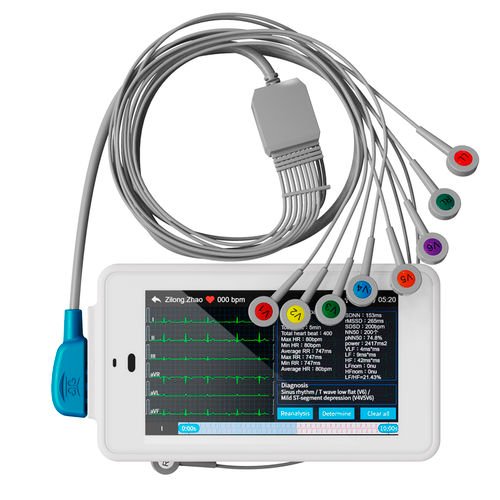
In my two decades of working with cardiac technology, I have seen portable ECG monitors evolve from simple rhythm checkers into sophisticated diagnostic tools t
Over the last two decades, I have watched electrocardiography shrink from a cart-sized machine in a hospital hallway to a device that fits in a shirt pocket. Th
For decades, the standard 12-lead ECG was a tool locked inside hospitals, requiring trained technicians and bulky machinery. That has changed. Portable ECG moni
For decades, ultrasound was tethered to the radiology suite, a bulky cart that demanded dedicated space, significant power, and a trained sonographer to operate
For decades, the otoscope and ophthalmoscope were the trusted workhorses of every exam room, yet they remained frustratingly analog. We would peer through a tin