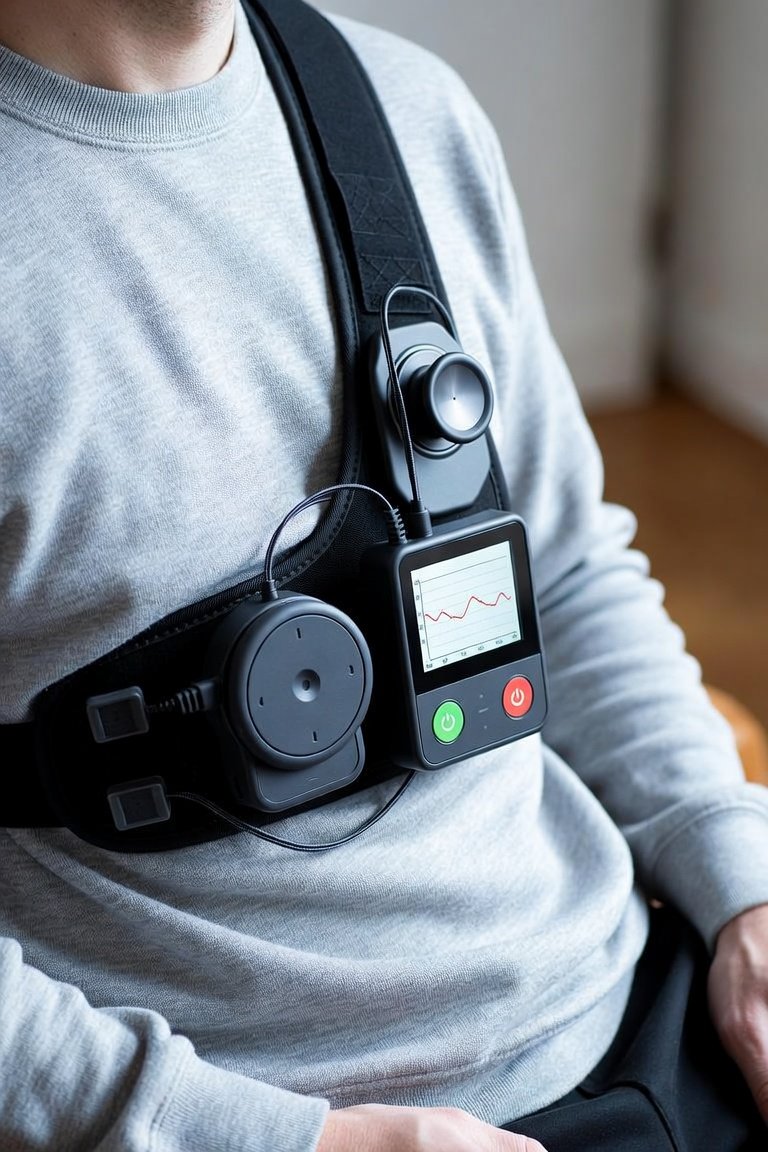
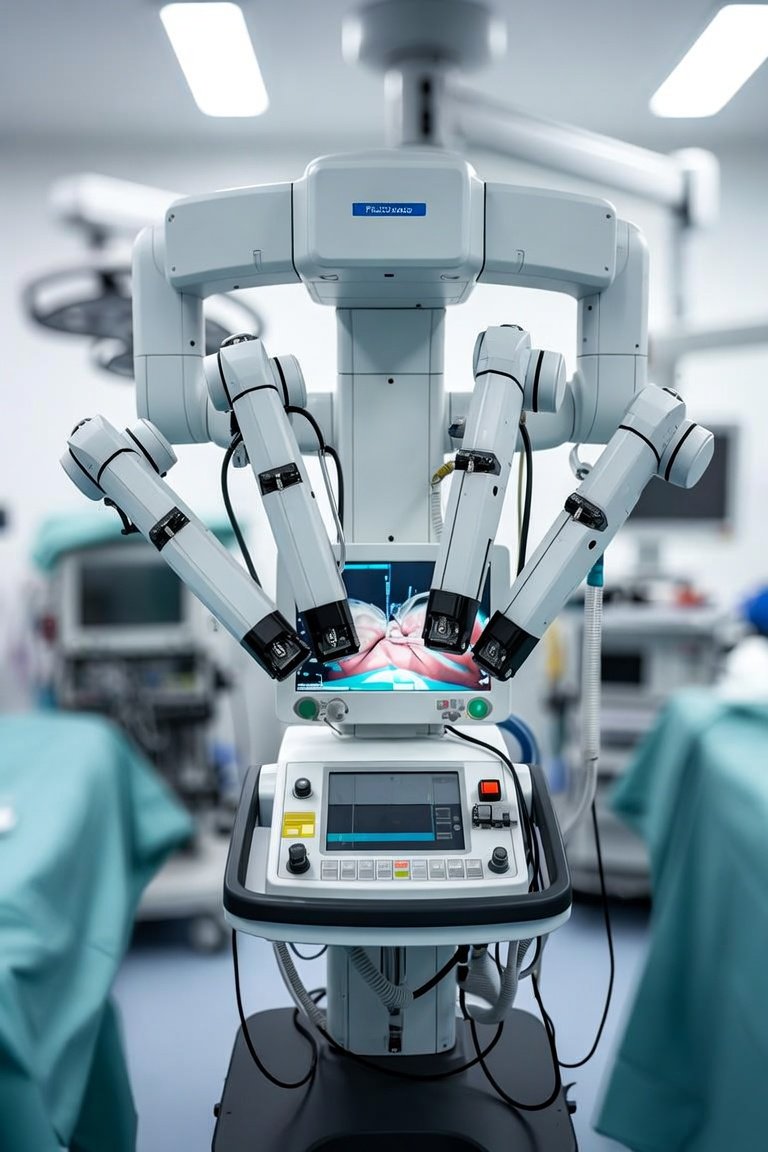
Walk into any operating room today, and you will see a different kind of assistant standing beside the surgeon. It does not scrub in, it does not speak, and it never gets tired. But it is watching every movement, analyzing every frame of video, and calculating the next best step. I have spent two decades servicing surgical technology, and I can tell you this: AI is no longer a research project. It is a tool, and like any tool, it demands respect and understanding before you put it to work.
The first thing to understand is what AI actually does in the OR today. It is not a robot making decisions. It is a pattern recognition engine. The most mature applications are in intraoperative navigation and tissue identification. For example, in colorectal surgery, AI-enhanced fluorescence imaging can now analyze perfusion in real time, alerting the surgeon to ischemic tissue that the naked eye would miss. In neurosurgery, machine learning algorithms process preoperative MRI data to map eloquent cortex pathways, reducing the risk of postoperative deficits. The key benefit is consistency. The AI does not get distracted, does not suffer from fatigue after a four-hour case, and maintains the same level of vigilance on case one as it does on case fifty.
From a practical standpoint, here are three features that matter most when evaluating these systems. First, latency. The AI must provide feedback in under 100 milliseconds to be clinically useful. If there is a noticeable delay between a surgical action and the system's response, it is not ready for your OR. Second, explainability. The system must show you why it made a recommendation, usually through a heatmap or an overlay on the surgical video. If it cannot explain itself, you cannot trust it. Third, integration. The best AI systems work with your existing camera stack and PACS. A standalone box that requires a separate monitor is a workflow killer.
Now, let us talk about the comparison you will face when purchasing. There are two broad categories. The first is embedded AI, which comes pre-installed on new surgical platforms from major manufacturers. This is the easiest path because the software is tested and validated with the hardware. The downside is cost and lock-in. The second category is standalone AI modules that connect to your existing laparoscopic or robotic tower. These are often more affordable and offer flexibility, but you must verify they are FDA-cleared for your specific procedure type. I have seen systems cleared for cholecystectomy being used off-label for hernia repair, and that is a liability you do not want.
What should you look for when your hospital's capital committee asks for your opinion? Focus on three things. First, clinical validation. Ask for the peer-reviewed data, not just the marketing brochure. Look for studies with at least 200 cases and a control group. Second, training requirements. How many proctored cases does your team need before they are competent? If the answer is more than ten, the learning curve will kill adoption. Third, data security. The AI is recording video and patient data. You must ensure the system is HIPAA-compliant and that the data is encrypted both at rest and in transit. I have seen contracts where the vendor retains rights to the surgical video for their own algorithm training. Read the fine print.
My closing recommendation is simple. Do not be the first to adopt, and do not be the last. Start with one procedure, one surgeon champion, and one well-defined use case. Run it for thirty cases, track outcomes, and compare them to your historical baseline. If the AI improves your complication rate or reduces operative time, expand. If it does not, walk away. The technology is powerful, but it is a scalpel, not a surgeon. You are still in charge. Make sure the AI knows that.
Innovations & Tech
AI-Assisted Surgery: Separating the Hype from the Hardware