For over two decades, I have watched prosthetic technology evolve from simple cosmetic shells to sophisticated, neurally-integrated systems. The latest advances are not just incremental improvements; they represent a fundamental shift in how we think about limb replacement. We are moving from devices that are worn to devices that are truly integrated with the user's nervous system. Let me share what I see in the labs and clinics right now.
The most significant breakthrough is in neural control and sensory feedback. The key features that define the current generation of bionic prosthetics fall into three categories. 1. Targeted Muscle Reinnervation (TMR) is now a standard surgical procedure that reroutes nerves from the amputated limb to existing muscles in the chest or upper arm. This allows a user to control individual prosthetic fingers and wrist movements simply by thinking about them, with sensors reading the electrical signals from those reinnervated muscles. 2. Direct neural interfaces, such as the Utah Slanted Electrode Array, are being implanted into peripheral nerves themselves. This gives much finer control and, crucially, allows for bidirectional communication. The prosthetic can send signals back to the brain, creating a sense of touch. Users can now feel the texture of a fabric or the pressure of a handshake. 3. Advanced pattern recognition algorithms in the prosthetic's onboard processor learn the user's unique muscle signal patterns. After a short training period, the device can predict and execute complex movements, like a pincer grip or a power grasp, without the user consciously thinking about each muscle contraction.
When comparing options, the choice is no longer just between a hook and a hand. For upper limb prosthetics, you have myoelectric hands from companies like Ottobock, Touch Bionics, and Steeper. The newer models, like the Ottobock Michelangelo or the Steeper BeBionic, offer individually articulating fingers and multiple grip patterns. The key differentiator is the control system. Pattern recognition systems, like Coapt's Complete Control, are far more intuitive than traditional two-site electrode control. For lower limbs, the Ossur Power Knee and the Ottobock C-Leg have set the standard for microprocessor-controlled knees. The latest advance is the integration of powered ankle joints, like the Ossur Proprio Foot, which actively lifts the toe during swing phase to prevent tripping and provides push-off power during gait. This is a game-changer for amputees who want to walk more naturally and with less energy expenditure. A practical tip: always ask for a trial period with the control system. The best hardware is useless if the user cannot master the interface.
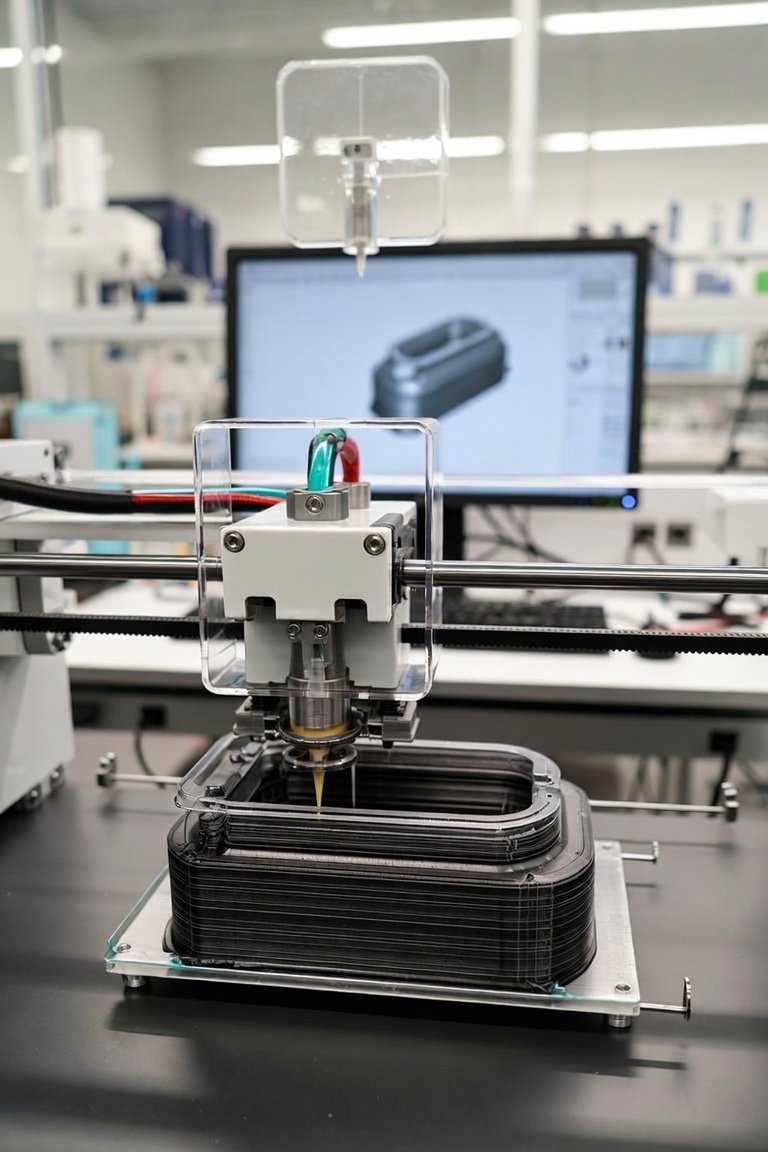
What you should look for in a modern bionic prosthetic is not just the hardware, but the ecosystem. Consider battery life, which for most powered hands is a full day of moderate use. Look at the water resistance rating; many are now splash-proof but not submersible. The most important factor is the socket fit. No amount of advanced electronics works if the socket is uncomfortable or unstable. We are now seeing 3D-printed sockets that are lighter and more breathable, and adjustable sockets that can accommodate volume fluctuations in the residual limb throughout the day.
My closing recommendation is this: do not be seduced by the most expensive or most feature-rich device. The best bionic prosthetic is the one the user will actually wear. Focus on the control system and the quality of sensory feedback. If the user can feel the prosthetic as part of their body, and control it with natural thought, then the technology has succeeded. The latest advances are remarkable, but they are tools. The real magic happens when the user and the device become one.
Innovations & Tech
Bionic Prosthetics: The New Frontier in Restoring Human Function