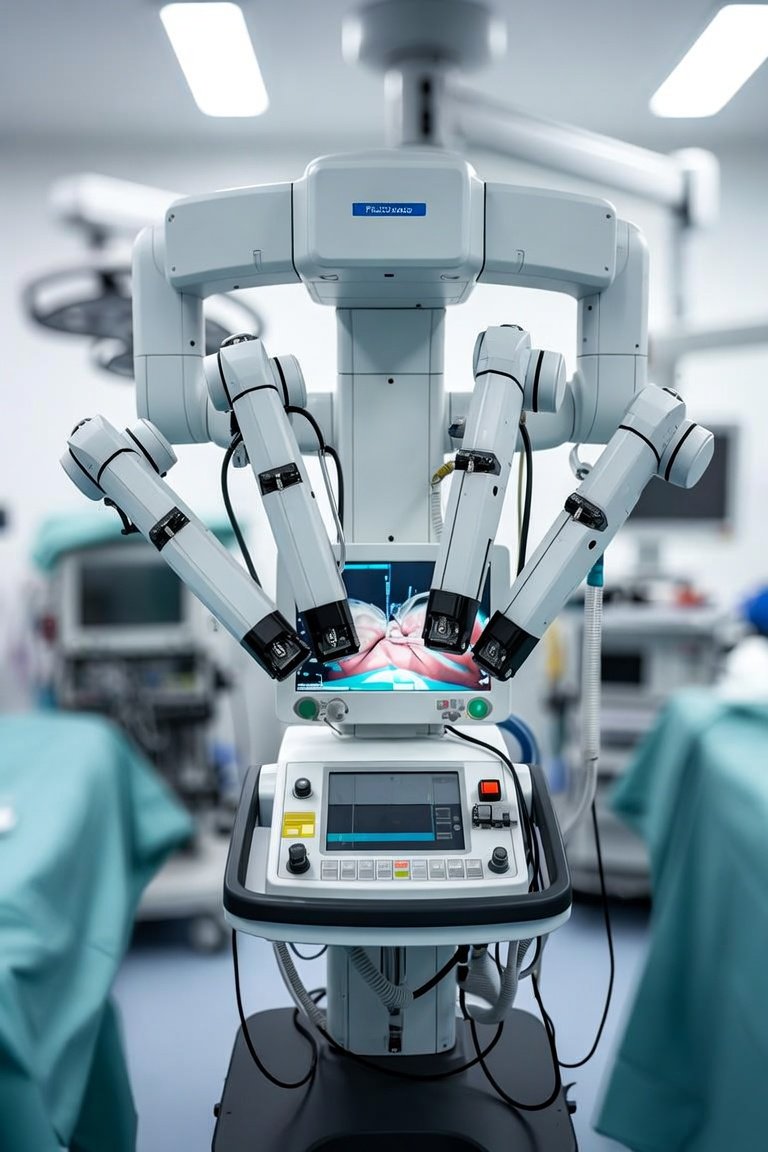
I have spent two decades in operating rooms around the world, and I can tell you that the surgical robot is no longer a futuristic concept. It is a daily reality, and the pace of innovation is accelerating faster than many hospitals can keep up. The core promise remains the same: enhanced precision, reduced tremor, and better access to difficult anatomy. But the new generation of systems is fundamentally different from the bulky, single-purpose machines of the past.
The most significant shift is in modularity and versatility. Older robots, like the early da Vinci models, were essentially one giant cart with fixed arms. Today, you have options. The new systems from companies like CMR Surgical, Johnson & Johnson, and Medtronic offer separate, portable arms that can be positioned independently around the patient. This is not just a convenience. It allows a single robot to be used for urology, gynecology, general surgery, and even orthopedics without a complete room reconfiguration. For a hospital, this means one capital investment can serve multiple specialties, dramatically improving return on investment.
Let me break down the key features you should be evaluating right now. First, haptic feedback. The absence of force feedback has been a major criticism of surgical robots for years. Newer platforms now incorporate sensors that measure tissue resistance and transmit that sensation to the surgeon's console. This is not a gimmick. It prevents accidental tissue damage during suturing and dissection. Second, AI-assisted guidance. Modern systems use computer vision to overlay critical structures like blood vessels and ureters directly onto the surgeon's view. This reduces the cognitive load and helps avoid complications. Third, instrument articulation. The latest wristed instruments offer seven degrees of freedom, matching the human wrist but with greater range and stability. Fourth, the console itself is becoming more ergonomic, with adjustable armrests and heads-up displays that reduce surgeon fatigue during long cases.
When comparing systems, you need to look beyond the marketing. The da Vinci SP (Single Port) is excellent for deep pelvic surgery through a single incision, but it has a steep learning curve and limited instrument reach. The CMR Versius offers modular arms that can be wheeled in and out, which is ideal for mixed-use ORs, but its instrument lifespan is shorter than some competitors. The Medtronic Hugo system is designed for scalability, allowing you to start with one arm and add more later, but its regulatory clearance is still limited in some regions. My practical advice is to request a hands-on trial with your lead surgeons. Let them spend a full day working with each system on a simulator. The feel of the controls, the clarity of the 3D vision, and the ease of docking are subjective but critical.
What you should really look for is serviceability and consumables cost. The robot itself is a large purchase, but the real budget impact comes from the instruments, which are typically limited to 10 to 20 uses. Compare the per-case cost of instruments across platforms. Some manufacturers now offer reusable instruments that can be sterilized, which can cut your annual supply budget by 30 to 40 percent. Also, consider the training program. A good robot is useless if your team cannot use it confidently. The best vendors offer on-site proctoring for the first 20 procedures and a 24/7 technical support hotline.
My closing recommendation is this: do not buy a robot based on brand loyalty or what the neighboring hospital has. Define your surgical volume, your team's skill level, and your budget for consumables. Then, demand a trial. The future of the operating room is already here, and it is more flexible, more intelligent, and more accessible than ever. But the best robot for your OR is the one that your surgeons will actually use, and that your finance department can sustain.
Innovations & Tech
THE NEXT GENERATION SURGICAL ROBOT: WHAT'S CHANGING AND WHAT MATTERS