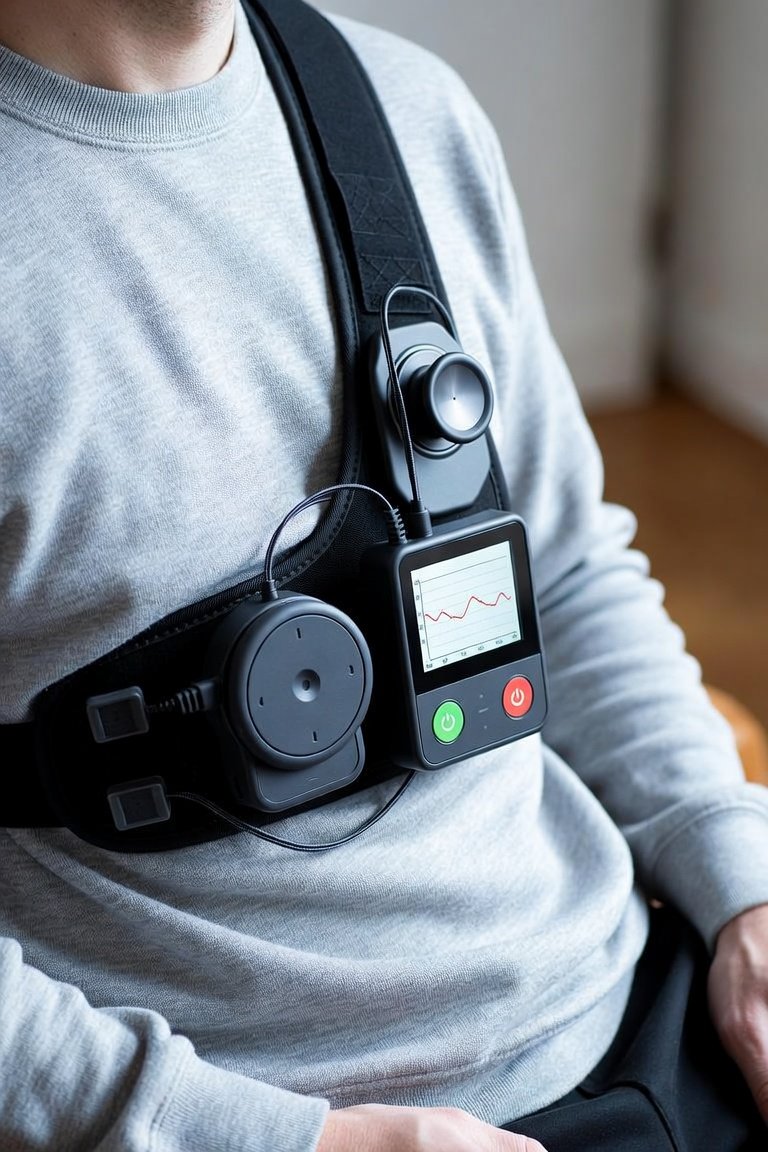
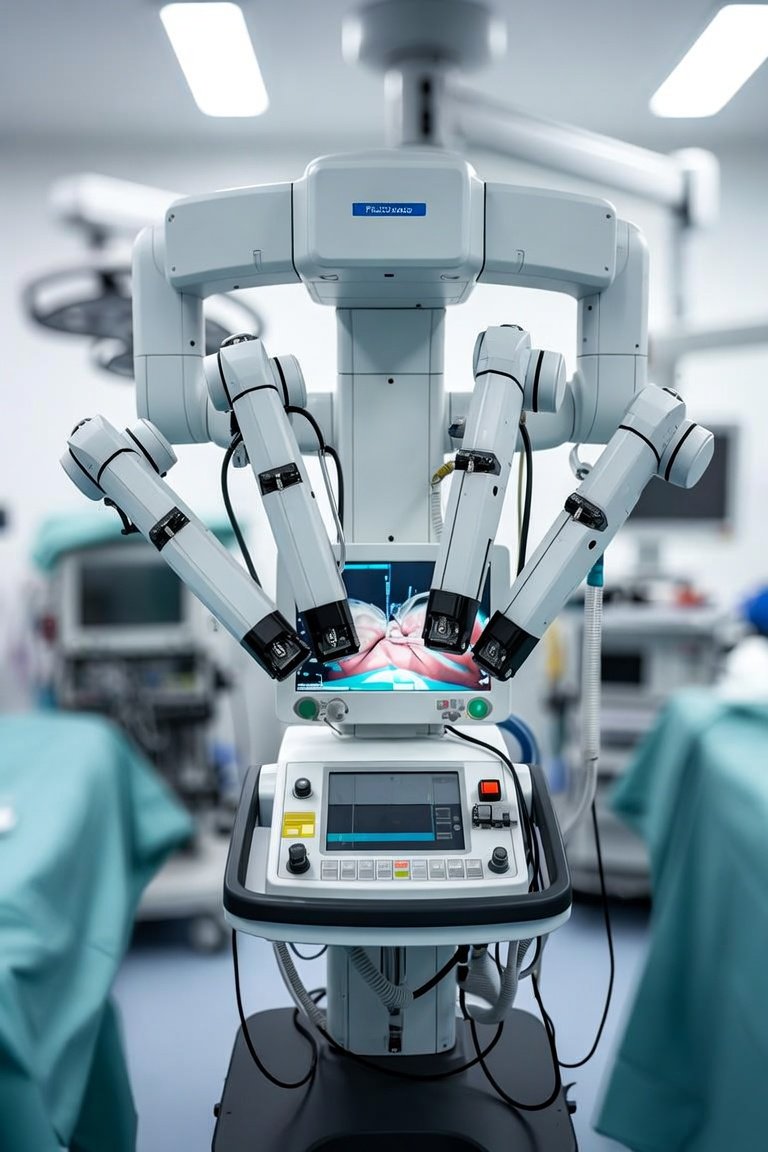
Walk into any modern operating theater today, and you will see more than just scalpels and sutures. You will see cameras, sensors, and software that are quietly changing the way we approach procedures. I have spent two decades servicing and evaluating these systems, and I can tell you that AI-assisted surgery is no longer a futuristic concept. It is a present-day tool, and understanding its practical applications is now as essential as knowing the anatomy of your target site. This is not about robots replacing you; it is about data-driven intelligence making your hands steadier and your decisions sharper.
The most immediate benefit of AI in surgery is its ability to enhance intraoperative visualization. Think of systems that can highlight tumor margins in real time by analyzing hyperspectral imaging, or software that tracks the movement of critical structures like the ureter during pelvic surgery. These are not gimmicks. In my experience, the best current systems use AI to fuse preoperative CT or MRI data with the live laparoscopic view, creating an augmented reality overlay. This gives you a three-dimensional roadmap that moves with the tissue. The key feature to understand is that this is not autonomous action; it is decision support. The AI is not making the cut. It is showing you where the cut should be, based on millions of data points from past successful procedures.
When you compare systems, you are essentially comparing the depth of their data sets and the speed of their processing. A system trained on 10,000 cholecystectomies will recognize the critical view of safety with a consistency that is frankly humbling. Another system might excel at real-time vital sign integration, predicting hemodynamic instability before the monitor alarms. For practical advice, look at the "latency" of the system. In surgery, a two-second delay in image overlay is unacceptable. You need systems with edge computing, meaning the AI processing happens on a dedicated console in the OR, not in a remote cloud server. Ask your vendor for the processing time in milliseconds. If they cannot answer, that is a red flag.
What should you look for when evaluating these tools? First, interoperability. The AI module must integrate seamlessly with your existing endoscopic tower and patient monitors. I have seen too many "smart" systems that require a separate cart, a separate screen, and a separate technician to operate. That is not innovation; that is clutter. Second, look for the "explainability" feature. The AI should not just give you a warning; it should show you the underlying image or data that triggered the warning. This builds trust. Third, consider the learning curve. The best systems are those that adapt to your technique, not the other way around. A good AI platform will allow you to set a baseline for your own surgical style and then flag deviations from that baseline, which is far more useful than comparing you to a generic standard.
In summary, the practical reality is that AI is here to help with the cognitive load. It is a co-pilot, not a pilot. It excels at pattern recognition, at tracking subtle changes over a long procedure, and at reducing the sheer volume of data you have to process mentally. My closing recommendation is this: do not wait for your hospital to mandate AI adoption. Start a conversation with your biomedical engineering department today. Ask for a trial of a specific AI module for a procedure you perform weekly. Test it on a simulator first. Measure your own time-to-decision and your level of fatigue at the end of the case. The data will speak for itself, and you will find that this new partner in the OR is one you will not want to operate without.
Innovations & Tech
The Operating Room Has a New Partner: Practical AI for the Surgeon