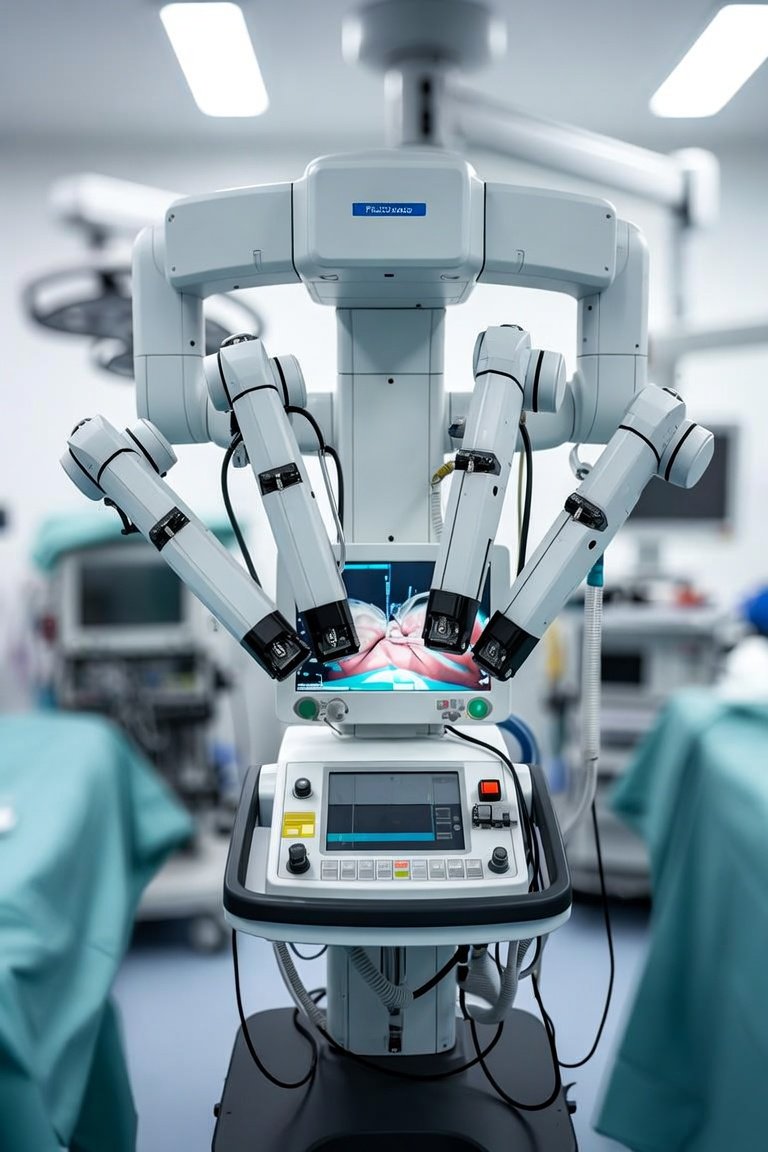
For the past two decades, I have watched surgical technology evolve from simple laparoscopic tools to the sophisticated robotic platforms we see today. The operating room of the future is not a distant concept; it is being installed right now, and it is changing the way we approach precision, patient outcomes, and surgeon ergonomics. If you are evaluating capital equipment for your hospital or surgery center, understanding these systems is no longer optional. It is a strategic necessity.
The core value of a surgical robot is not automation. It is augmentation. The surgeon remains fully in control, but the robot provides a level of dexterity that the human hand simply cannot match. The key features that drive this benefit are threefold. First, tremor filtration. The system actively cancels out the natural micro-tremors in a surgeon’s hands, which is critical when suturing delicate vascular tissue. Second, motion scaling. The system translates large hand movements into micro-movements inside the patient, allowing for dissection in spaces measured in millimeters. Third, articulated instrumentation. Unlike straight laparoscopic tools, robotic wrists can rotate a full 540 degrees, allowing for suturing at angles that are physically impossible with traditional staplers or graspers. These three features combine to reduce blood loss and shorten hospital stays, which directly impacts your bottom line.
When you look at the market, you are no longer limited to a single dominant player. The landscape has diversified, and that is good news for your budget. The established system, the da Vinci platform, remains the benchmark for clinical evidence and instrument reliability. However, new entrants are forcing price competition. You now have systems that offer a modular approach, where the surgeon console is separate from the patient cart, allowing you to share a single console across multiple operating rooms. Other platforms are focusing on single-port access, which reduces scarring and trauma to the abdominal wall. For ambulatory surgery centers, there are now lighter, more compact systems that do not require a dedicated, reinforced operating suite. The choice is no longer just about the robot; it is about the ecosystem, the service contract, and the training burden on your nursing staff.
What should you look for when evaluating these systems? Do not get distracted by the marketing hype about artificial intelligence. The real value lies in the data analytics and the haptic feedback. Look for a system that provides force feedback, so the surgeon can feel the tension on the tissue, not just see it. This is a major differentiator that reduces tissue trauma. Also, examine the instrument lifecycle. Some systems require you to replace instruments after a fixed number of uses, which can be a significant operational cost. Others have moved to a more flexible, usage-based model. Finally, consider the upgrade path. The technology is moving fast. You want a platform that allows for software upgrades without requiring you to purchase a brand-new hardware cart every few years.
The future of the operating room is not about removing the surgeon. It is about giving them superhuman capabilities while reducing their physical strain. The data is clear: robotic-assisted surgery reduces surgeon fatigue, which is a major factor in cognitive errors during long procedures. If you are planning your capital budget for the next three to five years, I strongly recommend you schedule a hands-on trial with at least two different vendors. Put your own surgeons at the console, let them perform a simulated dissection, and listen to their feedback. The right system is the one that feels like an extension of their own hands, not a piece of machinery they have to fight. Invest in the training, invest in the maintenance, and you will see a return in patient satisfaction and clinical excellence.
Innovations & Tech
The Quiet Revolution in the Operating Room