I have spent two decades watching medical technology migrate from the ICU to the living room. The most significant shift I have seen is not in hospital MRI machines, but in the wearable devices patients now strap to their wrists, chests, and arms. Home monitoring wearables have moved beyond step counting. Today, they provide clinical-grade data that can genuinely keep a patient out of the emergency department. The key is knowing which data matters and how to use it.
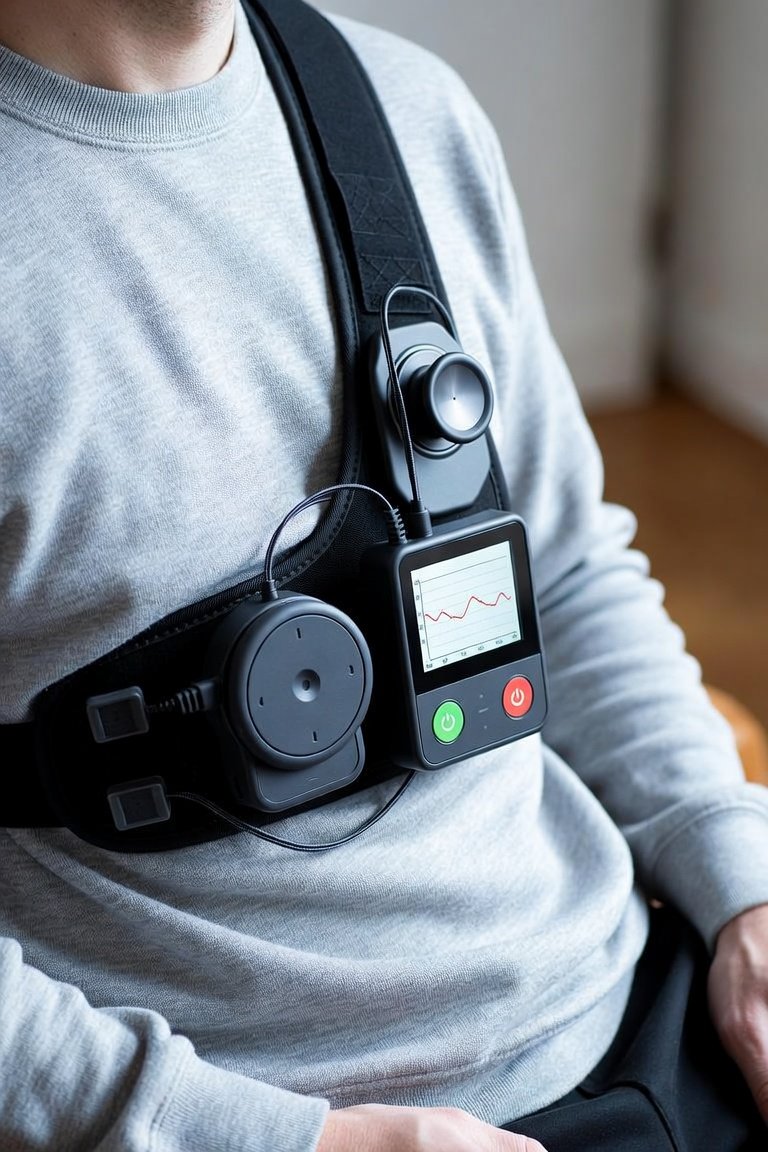
The most impactful innovations center on three core capabilities. First, continuous vital sign tracking. Modern devices now offer photoplethysmography for heart rate and oxygen saturation, plus single-lead ECG for rhythm detection. Second, passive data collection. The best wearables require no user activation; they log metrics during sleep and daily activity, building a trend line. Third, integrated alert systems. A device that simply records a dangerous arrhythmia is less useful than one that sends an immediate notification to a caregiver or a monitoring service. For example, the latest generation of patch-based monitors can detect atrial fibrillation episodes with sensitivity above 98 percent, comparable to a 24-hour Holter monitor.
When comparing options, you must match the device to the condition. For a patient with congestive heart failure, a wearable that tracks not just heart rate but also thoracic impedance is critical. This metric detects fluid buildup days before symptoms appear. The best option in this category is a vest-style sensor, not a wristband. For hypertension management, look for a device that uses oscillometric cuff technology, not pulse transit time estimation. Cuff-based wearables are less comfortable but far more accurate. For general wellness and early detection of arrhythmias, a smartwatch with a validated ECG algorithm is sufficient, but only if the patient can keep it charged and wear it consistently. A common failure point is user compliance; a hospital-grade patch that sticks on the chest for 14 days often yields better data than a watch that gets taken off at night.
What you should look for in any home monitoring wearable is clinical validation. Do not rely on marketing claims. Check if the device has published studies in peer-reviewed journals or has received FDA clearance for the specific metric you need. Also, evaluate the data interface. The patient may wear the device, but the clinician needs to see the data. Ensure the platform provides a clear, trended report, not just raw numbers. Finally, consider the battery life and data transmission method. Cellular-connected devices are superior for elderly patients who may struggle with Bluetooth pairing. A device that requires daily syncing to a smartphone will fail in a significant percentage of home users.
The technology is ready. The clinical evidence is strong. The challenge now is implementation. If you are a clinician or a patient considering a home monitoring wearable, start with a specific clinical question. Do you need to rule out atrial fibrillation? Monitor fluid status? Track blood pressure variability? Answer that question first, then select the device designed for that single purpose. A multi-purpose smartwatch is rarely the best tool for a specific medical condition. Choose the right sensor, train the patient, and verify the data pipeline. Done correctly, these devices do not replace the doctor; they make the doctor’s visit far more productive.
Innovations & Tech
The Exam Room Goes Home: Practical Wearables for Chronic Care